Memory Hole (31 October): Culpable silence

Scientific Misconduct Blog Memory Hole: Events of October 31st

81 years ago today: Houdini died

On 31 October 1926 Harry Houdini died. See Memory Hole 24 October

Who us?

21 years ago today: Slutsky case raises the obligation of coauthors

On 31 October 1986 an article in Science discussed the tough approach of University of California-San Diego (UCSD) towards collaborator responsibility.

I won't discuss the Slutsky case in detail here. Robert Slutsky, a cardiologist resigned on April 30 1985. His downfall began when a colleague raised questions about apparent duplications in his published articles. He had published 137 articles in 7 years. UCSD investigated every article in which his name appeared and concluded that at least 48 of these were questionable and 12 fraudulent.

The University were extremely critical of his co-authors - why did co-authors on faked publications not bother to check the data? In fact, although Slutsky was exposed in 1985, his colleagues knew about his fraudulent work for many years before that (BMJ).

We have learned very little. Two decades later some assert that even first authors are not permitted to see raw data.

Source: Science "San Diego's Tough Stand on Research Fraud" 234 (31 Oct 1986) 534-535.

5 years ago today: Andrew Fastow indicted

On 31 October 2002 former Enron Corporation chief financial officer Andrew Fastow was indicted on 78 counts of wire fraud, money laundering, conspiracy and obstruction of justice.

For anyone interested in the regulatory and structural failures in the pharmaceutical industry the documentary movie Enron: The Smartest Guys in the Room (2005) is a stupendous must-see.

“Our lives begin to end the day we become silent about things that matter.”
Martin Luther King, Jr.
(one of the three quotes on Enron’s series of inspirational notepads)

2 years ago today: Donald Rumsfeld

On 31 October 2005 it was reported that US Secretary of Defense Donald Rumsfeld held a stake in Gilead Sciences valued at between $5 million and $25 million. Former Secretary of State George Shultz is on Gilead's board and sold $7 million worth of Gilead. Gilead is associated with Roche pharmaceuticals. Who do politicians represent?

2 years ago today: PhRMA and the Karasik conspiracy

On 31 October 2005 more on the Karasik Conspiracy was revealed. This ludicrous saga involved the integrity of the US Pharmaceutical industry lobby group the Pharmaceutical Research and Manufacturers of America (PhRMA).

"What argument do they have that physicians and patients should trust them?"

Briefly, the Pharmaceutical Research and Manufacturers of America (PhRMA) admitted that they paid a publisher to have a thriller written about Croatian terrorists using Canadian pharmacy websites to slaughter millions of Americans. Jayson Blair working for Phoenix Books, was tasked with editing this book, called "The Karasik Conspiracy." The goal was supposedly "to scare Americans into opposing any amendment to existing legislation" that formally bans the import of low-cost prescriptions from Canada.

See also 21 October Memory Hole

Earlier|Later|Main Page

Labels: , ,

Memory Hole (30 October): Junk science

Scientific Misconduct Blog Memory Hole: Events of October 30th


8 years ago today: Science versus quackery in SSRI drug trials

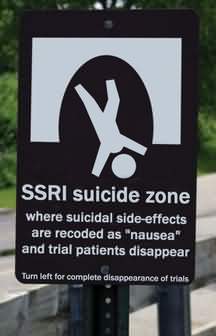
On 30 October 1999 an important, worrying and predictive article by Sarah Boseley appeared in the Guardian. This is about open, honest and properly represented science versus quackery. The problems are obvious.

An abbreviated version of the Guardian article is reproduced below:
Bad scienceThey said it was safe, The Guardian Oct 30 1999

Since the launch of Prozac there has been a spate of disturbing accounts of violence and suicide committed by people prescribed the drug. Victims and families of killers have sued Eli Lilly but no cases had reached a verdict because Lilly settled out of court.

However in 1999 for the first time, Lilly came up against a family in the US who would not settle. The Forsyths wanted a hearing. Internal documents belonging to Lilly were produced in court, and these "showed that Lilly knew as long as 20 years ago that Prozac can produce in some people a strange, agitated state of mind that can trigger in them an unstoppable urge to commit suicide or murder".

Lilly's own internal documents show it was identified as early as 1978. On August 2 of that year, when only three trials were under way, minutes of a meeting of the Fluoxetine (Prozac) Project Team run thus: "There have been a fairly large number of reports of adverse reactions... Another depressed patient developed psychosis... Akathisia and restlessness were reported in some patients." A similar meeting 10 days earlier had noted that "some patients have converted from severe depression to agitation within a few days; in one case the agitation was marked and the patient had to be taken off [the] drug."

The minutes further state that "in future studies the use of benzodiazepines to control the agitation will be permitted". So, from that point on, Lilly's trial subjects would be put on tranquillisers to get them over the akathisia experienced by some in the early days on the drug. Yet once Prozac was on the market, there was no warning to doctors that such action might be necessary.

Those who developed akathisia or who had any suicidal tendencies were excluded from the trial data on the basis that they would otherwise obscure the results of the drug's success in treating depression. Yet the German licensing authority, the Bundes Gesundheit Amt (BGA), on scrutinising the results, expressed concerns about the drug's safety. On May 25, 1984, according to Lilly's internal documents, a letter from the BGA stated: "During the treatment with the preparation [Prozac], 16 suicide attempts were made, two of these with success. As patients with a risk of suicide were excluded from the studies, it is probable that this high proportion can be attributed to an action of the preparation [Prozac]."

During the licensing process in the US, however, Lilly did not tell the Food and Drugs Administration (FDA) of the German concerns. Some of Lilly's own scientists had reservations about this.

One of them, John Heiligenstein, wrote in an internal memo on September 14, 1990: "We feel caution should be exercised in a statement that 'suicidality and hostile acts in patients taking Prozac reflect the patient's disorder and not a causal relationship to Prozac'.

A memo from Thompson ran: "I hope Patrick [probably a Lilly employee, but not identified fully in the memo] realises that Lilly can go down the tubes if we lose Prozac, and just one event in the UK can cost us that."

A memo from the German office to Lilly's US headquarters in that November indicates that Lilly was keen to root out the word "suicide" altogether from its database record of side-effects experienced by patients on the drug: Claude Bouchy and Hans Weber in Germany were alarmed by suggestions from their US superiors that, when GPs reported a suicide attempt on Prozac to them, they should record it as "overdose" (even though it is not possible to kill yourself by overdosing on Prozac), and that a GP's report of "suicidal ideation" should be recorded as "depression" - "Hans has medical problems with these directions and I have great concerns about it," runs a memo from Bouchy to Thompson. "I do not think I could explain to the BGA, to a judge, to a reporter or even to my family why we would do this, especially on the sensitive issue of suicide and suicide ideation."

Something had to be done. Lilly finally agreed to undertake the study suggested by the FDA, and look at the suicide rate among UK patients on Prozac, but it didn't. Instead, the company put together a "meta-analysis". Lilly's own scientists, led by Charles Beasley, did the work.

Beasley's study was published in the British Medical Journal in 1991. It had "the appearance of scientific rigour", says Dr Healy, but it is clear, he says, in the light of the documents that emerged in the Forsyth case, that the so-called meta-analysis had included only 3,065 patients out of around 27,000 involved in the trials and that it had also included data that the FDA had rejected during licensing. Among those excluded from Lilly's study were the 5% of patients who had shown akathisia-like symptoms during the clinical trials and had dropped out, and also the 13 or 15 suicides. Nor was there any mention of the fact that a considerable number of patients had been put on benzodiazepines to suppress the very problem that Lilly was claiming did not occur.
Is this science?? Has the Beasley paper been retracted or corrected? We cannot claim to prescribe under the banner of science if we fail to deal with this.

Sources: They said it was safe, The Guardian Oct 30 1999
Related patient blogs: Furious Seasons, Soulful Sepulcher

Medical Leadership

2 years ago today: UK Drug regulator undeclared links with Syngenta

On 30 October 2005 Britain’s drugs safety watchdog (the MHRA) was "forced to declare an interest in one of the world’s largest pesticide companies, following an investigation by the Sunday Herald". Sir Alasdair Breckenridge, the chairman of the MHRA "changed his mind only after responding to a series of allegations about potential conflicts of interest". He formally declared his involvement with Swiss agrochemical giant, Syngenta. The revelation has prompted fierce criticism.

"This was also not the first time that Breckenridge had been caught up in controversy about an alleged conflict of interest". There have been calls "for Breckenridge’s resignation over alleged failings in regulating anti-depressant drugs". "From 1992 to 1997, Breckenridge was a scientific adviser to SmithKline Beecham (now GlaxoSmith-Kline), which manufactured one of the drugs, Seroxat". Three other members of the MHRA’s committee on the safety of medicines – professors Chipman, Park and Griffiths – declared interests in Syngenta in 2004. Ian Kimber, head of research at Sygenta’s central toxicology laboratory in Cheshire, is a member of the MHRA’s committee on the safety of devices.

So much for that stated "independence".

Source: Drugs watchdog linked to pesticide company - Sunday Herald 30 Oct 2005

2 years ago today: The purpose of a University

On 30 October 2005 the Times newspaper and BBC revealed that a lecturer at Southampton Solent University in the UK secretly filmed meetings with senior academics at which she was put under pressure to pass students whom she believed should have failed. “As a new lecturer I was under huge pressure to pass the students. The college was financially driven. It was a pure bums-on-seats policy. It wasn’t about education at all.”

A colleague stated on film: “Essentially, in the end you have to fit with the system. It’s as simple as that.

Source: Lecturer reveals university pressure to pass poor students Times Online Oct 30 2005

Earlier|Later|Main Page

Labels: , , ,

Memory Hole (29 October): Sweeping at INSERM - the Bihain case

Scientific Misconduct Blog Memory Hole: Events of October 29th

Whitewash

9 years ago today: Scientific Misconduct, INSERM and the case of Bernard Bihain

On 29 October 1998 it was announced in Nature that the French government had quietly dropped plans to investigate research misconduct at INSERM (Nature 395, 29 Oct 1998,829). This case has a strong smell of whitewash about it.
  1. The matter concerned the activities of the INSERM Laboratory of Nutrition Lipo-protein Metabolism and Atherosclerosis at the University of Rennes and its director Bernard Bihain. The science involved cloning of a "lipolysis stimulated receptor".
  2. Much money was involved. INSERM and the French biotechnology company Genset had jointly applied for a patent as part of plans costing US$10 million to build a new laboratory near Rennes. INSERM's director general, Claude Griscelli, called it an example of the "policy of industrial partnerships that INSERM wishes to reinforce".
  3. Twenty "whistleblowers" raised concerns about "an alteration of the truth in the translation of the results of experiments … to make them coincide with a hypothesis". An initial inquiry report and underlying evidence was never made available, but could apparently be summarized as "we have not excluded scientific fraud". The report apparently also stated that some of the laboratory's work poses "many problems" and an "an in-depth analysis carried out by international experts in the field is absolutely necessary." Nothing happened and the whistleblowers then complained.
  4. In May 1998 Daniel Nahon (director-general of the Ministry of National Education, Research and Technology) announced that four international experts would carry out an inquiry into the laboratory and its director Bernard Bihain.
  5. The laboratory itself was then closed by INSERM in August after Bihain asked to be discharged from his duties. Scientists expressed concerns that the closure might be used to allow a whitewash.
  6. That is exactly what happened: According to Nature in October 1998 the ministry abandoned the inquiry. "We stopped everything" said Vincent Courtillot, principal adviser to the science minister. "The affair is over, the guy is in America, the lab does not exist, so we are not going to make an inquiry committee work on something where there are no consequences."
  7. Further criticism followed, including from the SNTRS-CGT, a trade union representing INSERM scientists. INSERM was said to be creating an "office of scientific integrity". Claude Griscelli, the agency's director-general, says the unit's remit will be to investigate "promptly and effectively" all allegations (where have we heard that before?).
  8. Bihain, the accused scientist went on to become vice-president of genomics at Genset, and chief scientific officer of the US–French company Valigen.
  9. Then in 2002 Nature announced that "Bernard Bihain, the obesity researcher who left French research in 1998 amid allegations of scientific misconduct, is to take up a post with his former employers INSERM". Christian Brechot, director-general of INSERM stated “The opinion was that although some of his hypotheses have not been confirmed, his contribution was of value”.
  10. Further criticism followed, so something needed to be done. In 2003, after he had been reappointed the final clouding-over came. A new ruling "by the Tribunal de Grande Instance in Rennes, concludes a separate judicial investigation of some aspects of the affair." "In reaching its decision on the charges, the tribunal was only permitted by law to consider certain limited classes of documents. This is because the misdemeanour ‘faux et usage de faux’ (‘forgery and use of forgeries’) applies only to a “document or other medium of expression of which the object is, or effect may be, to provide evidence of a right or of a situation carrying legal consequences”.
Who is fooled? This is part of a pattern of behavior.

Most importantly we are not allowed to judge based on evidence, as is expected in science itself. Nothing is public. The reports and underlying evidence are hidden. Bihain might wish to declare himself "cleared" by his friends and peers - but if he so wishes, he should place all the evidence against himself and his rebuttal into the public domain. That is the way of proper open science, and the usual behavior of scientists who are truly innocent (as Bihain may well be).

The French minister is correct, "there are no consequences". None at all. Science and the public are the losers in all this.

Sources:
  • Nature, "French ministry reopens inquiry into conduct of INSERM unit" 391, 519-520, 5 Feb 1998 (reference)
  • Nature, "French Inquiry Into Misconduct is Shelved", 395, 29 Oct 1998, p829 (reference stub)
  • Nature, Accused obesity researcher returns to the French fold, 418, 1 Aug 2002

Earlier|Later|Main Page

Labels: , ,

Memory Hole (29 October): Redefining scientific misconduct

Scientific Misconduct Blog Memory Hole: Events of October the 29th

Quote of the day

It is sayd there be a rage of mountaynes in the Easte, on one syde of the which certayn conducts are immorall, yet on the other syde they are holden in good esteeme; wherebye the mountayneer is much conveenyenced, for it is given to him to goe downe eyther way and act as it shall suite his moode, withouten offence.
Gooke's Meditations

15 years ago today: Lead studies and the Needleman case

On 29 October 1992 after a decade of debate two new studies of lead levels and IQ in children were reported. One by Baghurst showed impairment in neurological development as lead rose from 10 to 30ug/dL. Another by Bellinger showed significant IQ deficits over a similar range. Previous studies had been challenged repeatedly by industry.

Other studies had not properly controlled for confounding variables (such as maternal IQ) and had therefore been "rejected". Psychologists Claire Emhart and Sandra Scarr hired by the owners of a lead smelter had accused Herbert Needleman of research misconduct following his landmark - but flawed - 1979 study in NEJM. Needleman had in turn (wrongly in my view) refused skeptics access to his raw data. Industry have every right to query scientific findings (just as industry has an obligation to reveal raw data supporting scientific statements).

Source: "Study Documents Lead-Exposure Damage in Middle-Class Children," New York Times, 29 Oct 1992

Defining scientific misconduct

14 years ago today: A missed ball in scientific misconduct

On 29 October 1993 the journal Science discussed the attempts to frustrate the efforts of the US Office for Research Integrity (ORI) to bring fraudsters to book. The appeals process were insisting that the ORI must prove a) intent to deceive, b) that the false statements were important to the thrust of research claims.

Herein lies a large problem. There are many real-world examples of serious scientific misconduct that make this appear ludicrous. It also presupposes that scientific misconduct must involve the making of false statements. This attempt at narrow redefinition may have had much to do with attempts to protect Gallo and Baltimore at the time. None of this goes back to the purpose of defining misconduct in the first place.

Murder (intentional killing particularly with premeditation) is a crime. So is carrying a loaded gun on an airplane. There is no proof of intent to kill, but there is intent to breach an agreed contract. That is how society protects itself. Here we have lawyers saying that the contract of science is irrelevant to them.

It is sayd there be a raunge of mountaynes in the Easte, on one syde of the which certayn conducts are immorall, yet on the other syde they are holden in good esteeme; wherebye the mountayneer is much conveenyenced, for it is given to him to goe downe eyther way and act as it shall suite his moode, withouten offence.
Gooke's Meditations

Source: "Another Blow for ORI" Science 262 (29 October 1993), p343

13 years ago today: More on the scientific failures in NIH fialuridine case

On 29 October 1994 it was revealed that knowledge of previous hidden studies would have prevented the deaths of patients that occurred in a hepatitis drug trial carried out by Dr. Jay Hoofnagle at the NIH (see Memory hole 23 Oct).

In brief, a clinical trial ended in catastrophe - with the iatrogenic deaths of five participants. The drug was fialuridine, to treat hepatitis B. 5 of the 15 patients who took the drug died, and two more required liver transplantation.

There are comparisons with the regulatory and scientific disaster involving TGN1412 in the UK in that multiple patients were exposed to an "unknown".

Dr. Jay Hoofnagle, the principal scientist in the NIH study had stated that he thought some patients' symptoms were associated with the underlying illnesses, until the deaths began to occur.

Now it is revealed that dangerous side effects in at least two other studies, and four deaths in earlier experiments were not reported to the F.D.A. The FDA stated that "overview of the data, in which deaths and serious adverse experiences were analyzed cumulatively, was not produced and thus was not available" to scientists carrying out the study or to the Government.

Nothing learned in 13 years.

Patients don't matter much in all of this.

Source: "Speed of F.D.A. Action on Rules for Drug Tests is Questioned" New York Times, 29 Oct 1994

8 years ago today: The decline of Dr Koop

On 29 October 1999 a further scandal was revealed involving Dr. C. Everett Koop, the former US Surgeon General.

In spring 1997 Koop made a telephone call to Dr. Linda Rosenstock, director of the National Institute for Occupational Safety and Health. "The agency was about the warn health workers that latex gloves could cause serious, even life- threatening allergic reactions. Dr. Koop told her that the language was "way overstated" and could cause health workers to abandon gloves that could protect them against infection"

Then Koop testified in the House on March 25 before the oversight and investigations subcommittee of the Committee on Education and the Work Force. Dr. Koop told the panel that the hazards being linked to the gloves by scientists and other health authorities were exaggerated. "Borderline hysteria," he called them.

However now it is revealed that Koop had received substantial sums of money under a four-year, $1 million contract he signed in 1994 with a leading manufacturer of the latex gloves, a relationship he did not disclose to Dr. Rosenstock or the subcommittee.

"What this long admired and respective man has done in taking money from a glove manufacturer and than speaking out on its behalf is wrong," said Susan Wilburn, senior specialist in occupational safety and health for the American Nurses Association. "Niosh studies show that 10 percent of workers regularly exposed to the gloves and 17 percent with heavy exposure have developed allergies".

"Dr. Koop has long been one of the nation's most trusted health experts, a reputation he gained as Surgeon General in the 1980's".

"According to filings with the Securities and Exchange Commission, the glove company contract called for Dr. Koop to deliver four speeches a year on health and nutrition. He gave the company the right to use his "name, picture, speeches, and biographical information" and agreed to serve as a company adviser. He also agreed not to endorse products of competitors, and to submit his speeches for editing"

Dr. Koop's testimony in March was still being cited in state legislatures as reasons to delay action on the gloves, even though "it was based on a study that was never done."

Source: Koop Criticized for Role in Warning on Hospital Gloves NYT Oct29, 1999

6 years ago today: The EU Clinical Trial directive and scientific fraud

On 29 October 2001 the BBC discussed the threat to research caused by the new EU clinical trial directive.

"The future of clinical trials in the UK will be jeopardised by a new EU directive, according to research experts". "it will radically increase how much it costs to carry out academic work, or many drug trials". "it will require a huge dossier of information to be compiled by researchers about virtually every aspect of the trial".

"another aim of the directive - to make research fraud more difficult - will fail because determined cheats would still succeed." "There's no evidence that doing this would help the situation"

Not a word about who those "determined cheats" are. Not a word about the beneficiaries of the confusion. The losers are small innovative biotech companies and innovative academics. The control of clinical "findings" are driven away from clinicians and into the hands of those who have incentives to cheat and who have done so repeatedly. Scientific fraud is neatly hidden beneath a layer of impenetrable and expensive red tape.

There is no integrity in any of this. Nor was this ever the intent.

Source: BBC News, Red-tape 'disaster' for medical research 29 Oct 2001

5 years ago today: Neurontin documents exposed

On 29 October 2002 the contents of internal Warner-Lambert documents unsealed in a neurontin lawsuit were revealed.

Instead of conducting clinical trials to test the safety and efficacy of Neurontin (gabapentin) for the conditions it promoted, Warner-Lambert (now owned by Pfizer) spent money "educating" doctors, encouraging them to prescribe the drug for unproven uses in patients with diabetes and bi-polar disorder.

Marketing executives at Warner-Lambert urged their superiors to promote the epilepsy drug Neurontin outside of the domain of science. In a memo, dated May 5, 1997, the marketing executives propose that Neurontin be promoted to treat pain in diabetic patients by creating education classes for doctors, and sponsoring a symposium with the American Diabetes Association. Another memorandum details how Warner-Lambert tracked prescriptions written by doctors after they attended dinner meetings paid for by the drug company at which Neurontin was discussed. The memo, dated June 26, 1995, said that in the Northeast, doctors attending the dinners wrote 70 percent more prescriptions for Neurontin than doctors who did not attend. In the memo, Warner-Lambert executives recommended against doing studies needed to get Neurontin approved to treat diabetic patients.

For detailed discussion of the neurontin documents and the consequences of these actions see "The Promotion of Gabapentin: An Analysis of Internal Industry Documents", Ann Int Med, 5 August 2006 145 :284-293.

The leadership of medicine remains mute. Patients no doubt suffered as as a consequence of thinking that decisions were being made on the basis of scientific evidence. Was anyone punished in any way?

On the same day the press reported that Pfizer had "agreed to pay $49 million to settle charges that a subsidiary defrauded the Medicaid program" over the cholesterol-lowering drug Lipitor.

Sources:

Odds and ends

  • 78 years ago on 29 October 1929 the NY Stock Exchange crashed.
  • 38 years ago on 29 October 1969 the first computer link was established on ARPANET, the precursor to the Internet.
  • 9 years ago on 29 October 1998 in South Africa, the post apartheid "Truth and Reconciliation Commission" presents its report, which condemns both sides for committing atrocities.
  • 3 years ago on 29 October 2004 the consumer group Public Citizen renewed its call a ban of the statin Crestor. It was felt that the rate of acute renal failure or renal insufficiency was far higher for Crestor than for all other statin drugs combined. The FDA disagreed with this assessment.

Earlier|Later|Main Page

Labels: , ,

Memory Hole (28 October): Making punishment fit the crime

6 years ago today: Oxycontin - 282 deaths - purposeful misbranding

On 28 October 2001 "An extensive federal review of autopsy data has found that the powerful painkiller OxyContin is suspected of playing a role in the overdose deaths of 282 people in the last 19 months, more than twice the number in some previous estimates."

Although it was initially put out that the deaths were related to illicit abuse of the drug, in fact less than 10 of the deaths were due to intravenous abuse and only 1 to snorting. Most were conventional patients who took the tablets orally or after crushing. Purdue Pharma heavily promoted the drug as safer than other narcotics because its active ingredient was in a time-release mechanism.

In 2007 the Purdue Frederick Company pleaded guilty to felony charges that they purposely misbranded the OxyContin with intent to mislead and defraud. Purdue and the three executives paid $634,515,475. Those named are President Michael Friedman, Executive Vice President Howard Udell, and former Executive Vice President Paul D. Goldenheim.

Is this scientific fraud? Did anyone go to prison?

See also Pharmagossip Make the punishment fit the crime

Source: New York Times Overdoses of Painkiller Are Linked to 282 Deaths, Oct 28 2001

2 years ago today: MIT fires Van Parijs - fabricating and falsifying

On 28 October 2004 M.I.T fired a biology professor (Luk Van Parijs) for fabricating research data. A group of colleagues reported faking to MIT administrators. Van Parijs admitted to fabricating and falsifying data in a paper several manuscripts and grant applications. The journal "Current Opinion in Molecular Therapeutics" later published a correction of an 2004 article. Van Parijs earned a doctorate in immunology from Harvard. He worked with Cal Tech President David Baltimore.

Another nice easy case. The same names and institutions keep cropping up, but perhaps a coincidence or a confounding variable.

New York Times, M.I.T. Dismisses a Researcher, Saying He Fabricated Some Data, 28 Oct 2005

Odds and ends

  • 515 years ago on 28 October 1492 - Christopher Columbus lands in Cuba (predating Michael Moore by 514 years).
  • 139 years ago on 28 October 1868 - Thomas Edison applied for his first patent, an electrical vote recorder. [See also <G Bush]

Earlier|Later|Main Page

Labels: ,

Memory Hole (27 October): What else happened?

Scientific Misconduct Blog Memory Hole: Events of October 27th
Quote of the day

"Much of what passes for government policy today is nothing more than theater designed to create the illusion that the nation's problems are being addressed."

"We're looking for the illusion of due diligence, Mr. Pope. Two criminal acts successfully prosecuted -- it gives us that illusion."

From the Movie Syriana (worth watching)

P&G telephone records

16 years ago today: P&G in another spying case

On 27 October 1991 the New York Times reported on a further incident involving spying by Procter and Gamble.

Phone records were at the center of the scandal. P&G had tried to find who was talking to a journalist by enlisting the Cincinnati police who checked the records of all 800,000 business and home phones.

Legal scholars said First Amendment protections had been violated by accessing thousands of phone records of people who had nothing to do with the company. Procter & Gamble admitted it made "a mistake."

Another case is also discussed where a chemist at the Hanford nuclear store started speaking out about safety problems, and was intimidated and threatened.

See also Procter and Gamble goes dumpster diving

Source: "Sometimes, the Disloyal Are Watched" New York Times, 27 Oct 1991, pE10.

6 years ago today: UK Government says whistleblowing laws are "effective"

On 27 October 2001 "The UK government has acted to dispel fears that NHS staff who report safety concerns may not be protected from reprisals under whistleblowing laws". In the case of Steve Bolsin, "Professor Ian Kennedy said that the "good faith" requirement was problematic because it could easily be argued that the whistleblower acted from mixed motives". "He suggested, for example, that the act might be amended to protect disclosures to the General Medical Council (GMC)".

Hmmmmmm....yes and no .... why would anyone report anything to the GMC? Have the people who say these things spoken to a selection of people who have tried?

Sadly the lay press and public discussion remains the most important and only plausible route for raising concerns of public interest. That was 2001 and things are just much worse.

It's an interesting word that -- "effective".

Law is effective in protecting whistleblowers, report says -- Dyer 323 (7319): 954 -- BMJ

3 years ago today: Legal rules in UK prevent whistleblowing

On 27 October 2004 The UK government faced a row with MPs over new rules for employment tribunals which keep whistleblowing claims over corruption and fraud secret regardless of public safety. The rule change was slipped in on the quiet. The government creates rules ostensibly to protect whistleblowers, and then subverts them to prevent discussion. New Labour democracy in action.

Source: The Guardian, Row over keeping whistleblowing claims under wraps, Oct 27 2004

2 years ago today: 9/11 Intelligence officer bullied

On 27 October 2005 The Hill reported on the case of US Army Reserve Lt. Col. Anthony Shaffer who let it be known that the intelligence cell in which he worked identified the Sept. 11 terrorists a year before the attacks, and that related documents had been destroyed.

In exchange the pentagon disciplined him for a series of actions (from misuse of government property to flashing military identification while intoxicated) which had nothing to do with the information he provided. The path to obfuscation is interesting.

Source: The Hill, "Hunter asks for probe of Pentagon actions against whistle-blower" Oct 27 2005

2 years ago today: Lester Crawford FDA - the mystery revealed

On 27 October 2005 the stock dealings underlying the resignation of FDA commissioner Dr. Lester M. Crawford were revealed in the New York Times. He never went to prison.

Source: Ex-Head of F.D.A. or Wife Sold Stock in Regulated Area, NYT, Oct 27 2005, also see Memory Hole 16 Oct and FDA Conflicts of Interest Update.

1 years ago today: UK Government interferes with a research study

On 27 October 2006 the following appeared in Private Eye.
Private Eye # 1170 9 27 October 2006
WHY is no one surprised that Defra [UK - Department for Environment, Food and Rural Affairs] is threatening to pull the plug on a detailed investigation into whether farmers exposed to sheep dips suffer serious long-term health damage?

"For more than two years researchers at University College London have carried out extensive psychological testing on farmers who were exposed to organophosphates contained in the pesticides. But their study is now in jeopardy after the Veterinary Medicines Directorate (VMD) suddenly expressed concerns last month that the study contains no suitable control for comparison, i.e some other rural group who were not exposed to the nerve gas-related chemicals.

One might think it a bit late in the day to criticise the way the study was composed. After all, it was designed in collaboration with both Defra and the VMD over a four-year period and was approved by both in-house scientists and independent peer reviewers. Twelve different control groups were identified and work was about to start on retired rural police until the VMD lobbed its spanner in the works. In any event the "problem" could easily be remedied by finding a control group that was acceptable."
Good open science as usual. Seems pretty obvious what happened here. I have no idea whether farmers suffer side effects, but it would be nice to see science carried out without government meddling. Private Eye have done a good job exposing bad science, incompetence and cover-up (the Bristol Heart scandal, paternalistic we-know-best-what-you-need-to-know government behaviour over BSE). Whistleblowers take note.

Earlier|Later|Main Page

Labels: ,

Memory Hole (27 October): Questionable Harvard research in China

Scientific Misconduct Blog Memory Hole: Events of October 27th

harvard research in china

4 years ago: Ethical violations by Harvard researchers in China

This week in October 2003 a reporter in the Chinese press (China Daily) raised troubling questions about a Harvard research study. 200,000 Chinese farmers had supplied DNA to a Harvard genetic database. Much of this was reportedly without informed (or un-informed) consent. Many violations were reported - compounded by institutional "self-investigation", shredding of evidence, possible fabrication of consent forms, and whitewashing.

The experiments were co-sponsored by Millenium Pharmaceuticals and were conducted in China's Anhui Province in the mid 1990s. Complaints were initially filed by Dr. Gwendolyn Zahner, an epidemiologist: The concerns were that investigators failed to obtain IRB approval for studies actually done, failed to disclose to subjects their rights to refuse, forged or post dated consent forms, and that participants had been coerced into taking part. Where IRB approval was obtained, the number of subjects recruited apparently bore no relation to the number studied. There was also concern that "the communist government's eugenics policies could put individuals with genetically linked diseases at risk of sterilization". The main investigator in several studies was Dr Xu Xiping of the Harvard School of Public Health.

Lawrence Summers, then President at Harvard stated :

"It's the responsibility of the dean of the School of Public Health and, ultimately, it's my responsibility as president of [Harvard] university to see to it that where wrong can be put right it is and, more importantly, to see to it that it never happens again." (Boston Globe, 2002)

In fact, nothing has ever been "put right". All we got was another sham internal self-investigation.

The US federal federal office for Human Research Protection (OHRP) received two boxes of documents from Harvard, which were then mysteriously shredded "to save space" [Link]. OHRP did however issue 3 letters of findings confirming gross violations of informed consent. See: [Link] [Link] [Link]

OHRP then asked Harvard to investigate itself having done the shredding. Harvard mumbled and blustered, and made no apparent attempt to interview the participants or to examine anything of substance. They did not interview a single farmer.

This led Chinese reporters to conduct their own fact-finding investigation. They interviewed the farmers and local doctors who had been ordered to produce a lists of potential participants and their families. It was revealed that many participants thought they were going for a "free check up". They were told the check-up would benefit them, and free medical treatment would be offered." The Washington Post (Dec. 2000) reported villagers of Anhui saying "We were told there would be free medical care". No treatment arrived. Xu’s hospital projects were also criticized for possible use of Communist Party officials to induce "volunteering".

Then in May 2003 the OHRP essentially dropped the China "investigation" letting Harvard researchers off the hook without ever interviewing any of the Chinese human subjects, their families or local medics who had first-hand knowledge. The two federal agencies that are authorized to investigate ethical violations in human research were both headed by administrators who were on leave from Harvard.

Below the references I have included a summary of an article by Margaret Sleeboom (University of Amsterdam) discussing the anthropology of the incident, and a powerful China Daily report discussing the dismal collusion of rarified academic "bioethicists".

Some other Sources (links not always available):
  1. http://www.ahrp.org/ethical/ChinaDaily092503.php
  2. http://www.ahrp.org/infomail/03/10/25.php
  3. http://www.ahrp.org/infomail/03/10/01.php
  4. http://www.ahrp.org/infomail/0302/march312002.htm
  5. http://www.ahrp.org/infomail/0402/april10a2002.htm.
  6. http://www.ahrp.org/infomail/03/10/01.php
  7. http://www.ahrp.org/infomail/03/10/01.php
  8. http://www1.chinadaily.com.cn/cndy/2002-01-10/51325.html
  9. The Boston Globe, Harvard-affiliated gene studies in China face federal inquiry, Aug. 1, 2000.
  10. Chinese Human Genome Project Millenium Pharmaceuticals Harvard School of Public Health The Washington Post, Dec. 20, 2000
  11. John Pomfret, Harvard Rebukes Head of China Gene Study. Washington Post, August 9, 2001 http://www.hsph.harvard.edu/bioethics/archives/200204/msg00002.html

The Harvard case of Xu Xiping: exploitation of the people, scientific advance, or genetic theft?
MARGARET SLEEBOOM

Amsterdam School of Social Science Research, University of Amsterdam
May be obtainable at [Link] or [Link]. An abstracted summary of the paper is below

"Many consider the Xu Xiping case as a textbook example of ruthless Western exploitation of development countries".

The article goes on to present the perspectives of 10 different stakeholders in the saga "to examine "the self-justification of behaviour":

1. Xu Xiping: The lead researcher
"Despite the criticism of smuggling data, breaking promises of free health care, unethical data collection and accomplice to forcing co-operation form patients, Xu showed no sense of responsibility for any of these allegations. Instead, he blamed less enlightened people, such as local physicians". He asked the ministry of education to censure the reports of Xiong Lei (below). He asked China’s deputy education minister that details should not be given to ‘foreigners’. He is is reported as writing the vice-president of the Chinese Academy of Sciences, urging him to take action against Yang Huanming, a Chinese geneticist who had criticised his work.

2. Xiong Lei: The Chinese reporter
Spent a long time on the Xu Xiping case trying to stand up for ‘the people’ of China.

3. Local scientists:

4. Harvard University, the NIH and the OHRP:
"It seems that the main concern of Harvard, the NIH and Brigham’s Women’s Hospital is the reputation of their institutes and the clarification of procedures..... Mistakes are related to professional damage rather than to moral failure". Thus, it was only in 2001 that Xu was reprimanded when he sought to interfere with critics. "It was the smell of diplomatic trouble and accusations of interference with China’s internal politics for which Bloom reprimand Xu, not for unethical research."

5. Chu Jiayou: Chinese Academy of Medical Sciences.

6. Qiu Renzong: one of China’s leading medical ethicists.

7. Yang Huanming: director of sequencing for the Chinese Human Genome Project.
"I hope that Harvard and the School of Public Health will understand that the [recruiting] methods they used in China are unacceptable to the Chinese". "Many of the papers of Chinese IRB were forged".

8. China Production Daily, Beijing Youth:
"For the sake of our national security: carefully preserve our genetic code" (a claim that genetic engineering is used to make ethnic specific biological weapons).

9. Fang Zhouzi: A San Diego biochemist:
"nonsense to think that Americans are trying to destroy the Chinese by unravelling their genetic code"
This kind of talk "hampers proper criticism of Xu Xiping’s behaviour, takes the Chinese people for fools, and uses libel as a source of patriotic rubbish’ (Fang, 2000).

10. Chinese officials:
"American science is good for China"

CHINA DAILY Research subjects' right to know must be respected XIONG LEI Oct 2003 08:02:38 page 4 http://www1.chinadaily.com.cn/en/doc/2003-10/22/content_274205.htm

Who profits? Who benefits? Who loses? Such questions were the theme of a panel at a working conference on bioethics held in the German capital Berlin earlier this month.

A determined gathering of nearly 100 biologists, philosophers, international law experts, journalists and human-rights advocates from over 30 countries in Africa, America, Asia, Europe and Oceania exchanged views and experiences on issues concerning ethics in the life sciences. They agreed that close attention should be paid to bioethics in all research involving human subjects.

It is essential to know who profits, who benefits and who loses in all research involving human subjects, since our basic rights as human beings are involved. Unfortunately, however, it is often the case that researchers intentionally evade this kind of questions, while many of those taking part as research subjects are not aware enough to ask them.

One example of such evasion is the Harvard-affiliated projects involving Chinese farmers in East China's Anhui Province.

Harvard University in Massachusetts launched a series of genetic research projects in 1994 and has been publishing research papers since then. Starting in 1999, the US Government conducted a three-year investigation into the projects and found them to have been at fault. But, during the investigation period, the wrongdoers continued to publish research papers based on the genetic data illegally obtained. The US federal investigators effectively cleared Harvard in May this year by acknowledging all its "corrective actions."

The faulty human genetic studies involved some 200,000 Chinese farmers, but the US federal investigators did not dispatch any of their own staff to the sites in China, interview a single farmer or consult any Chinese who were critical of the projects or who had evidence revealing possible fraud by the principal Harvard researchers.

We have fascinating principles of bio-ethics in human genetic research. There is the first part of the 1947 Nuremberg Code: "The voluntary consent of the human subject is absolutely essential." The Helsinki Declaration, first adopted in 1964, contains the commitment: "The right of the research subject to safeguard his or her integrity must always be respected." The 1997 Universal Declaration on the Human Genome and Human Rights advocates international co-operation with developing countries in a way that prevents abuse and benefits all.

Yet those researchers who come for our genes never bother to throw pennies to pay for cultivating our awareness of them. They are far more enthusiastic about collecting our DNA samples than honouring our rights. The ordinary people - the silent majority - are kept ignorant of these principles and this ignorance is often abused by some researchers.

If Harvard did take any "corrective actions," they remain unknown to the Chinese public, not to mention the Anhui farmers whose right to know was ignored when their blood was taken away. Here can be felt the powerlessness of those fascinating bioethical principles - they only establish norms for what researchers should do but fail to discipline or punish anyone violating those norms.

When I learned that an international conference on bioethics was due to be held in Beijing in April this year, I proposed to the programme committee that they "add some Chinese farmers and grass-roots medical workers to the list of guests" to be invited to this very important meeting. I e-mailed my proposal to every committee member and told them the Chinese people who gave blood for those developed countries' human genetic projects "have had little opportunity to exchange views with the investigators and researchers on an equal footing. And many of those who were so eager to take their blood samples have shown little interest in what they think and aspire to and would have to say."

I held that the scheduled conference would "offer a good chance to correct this mistake."

My proposal was turned down. The programme committee included famous scholars from England's University of Oxford, Harvard and the Chinese Academy of Social Sciences and they decided that the conference "is an academic meeting which will focus on the ethical issues emerging in human research." They added: "We don't think it is appropriate to invite non-bioethical professionals to attend our conference."

In the end, the conference was not convened because of SARS (severe acute respiratory syndrome). Nevertheless, I was appalled by its organizers' outright denial of the right of so-called "non-bioethical professionals" to discuss with the academics on an equal basis an issue concerning their basic rights as human beings.

I think ethical principles should start with the involvement of all participants, not only the professionals. When it comes to ethics, we are no longer dealing with an exclusively academic issue.

If ethical issues concerning human research must be discussed exclusively by professionals who consider themselves rule makers and have no interest in what other people think, this will only lead researchers into arrogance and violations of human rights. Silent and unnoticed, Chinese farmers have been making contributions to the life sciences, and they deserve a chance to air their views on issues concerning their rights and dignity to life.

As a "non-bioethical professional," I took part in the Berlin conference, entitled "Within and Beyond the Limits of Human Nature." I left it with a stronger belief that those professionals must respect ordinary people's right to know and must discard the arrogant approach that holds that the silent majority's role is nothing more than to offer passively what the professionals want.

If we agree that bioethical principles must be honoured, we should take the issue of bioethics out of the grip of so-called "bioethical professionals." It is an issue that concerns everyone, and nobody is privileged in the face of bioethics.

We in China should put our own house in order through better legislation and enforcement, while companies and institutions collecting gene specimens in our country must be urged to put resources into bioethics education and into promoting bioethical principles among the public so they know how to safeguard their rights. An international tribunal should be established to punish those who violate bioethical principles. An international coalition composed of both professionals and non-professionals should then be formed to make biological research really benefit the majority of the people, starting from honouring our right to know.

Earlier|Later|Main Page

Labels: , , , ,

Memory Hole (26 October): Why there is no scientific fraud in Britain

We english could never commit fraud

5 years ago today: British ethics chief explains why fraud never happens in Britain

On 26 October 2002 Dr Michael Wilks, chairman of the British Medical Association's medical ethics committee explained why research fraud never happens in Britain.

His explanation followed a 26 October 2002 BBC broadcast about the the Duke University study in the USA (see 23 October memory hole). The study showed that clinical trials of many new drugs and treatments are flawed and unethical, and that researchers fail to follow international guidelines in studies funded by the pharmaceutical industry.

The BBC cited Dr Michael Wilks, chairman of the British Medical Association's medical ethics committee saying:

"It is different in the UK. Studies are approved by research ethic committees before they can go ahead and I don't think there would ever be a case where they would allow a study to proceed if there was a chance that the drug company could prevent publication of the findings."

Have you heard of GSK or Seroxat Dr Wilks? We can think of many other examples I am sure. I have wondered why the BMA ethics committee has said nothing at all about the most serious integrity lapses in medicine, and why fraud is so effectively hidden here. I think we may have the explanation.

We British are just fine.

Earlier|Later|Main Page

Labels: ,

Memory Hole (26 October): Olivieri report released

Nancy Olivieri

6 years ago today: Report into the case of Nancy Olivieri

On 26 October 2001 the Committee of Inquiry into the dispute involving Dr. Nancy Olivieri, the Hospital for Sick Children, the University of Toronto, and Apotex Inc. issued their landmark report (compulsory reading for all those who pretend to be concerned about academic fraud).

"The Hospital and the University should have defended vigorously the right of clinical researchers to disclose risks to research subjects and patients. They had a responsibility to protect the public interest and academic freedom from inappropriate actions by Apotex, but they did not do so".

The committee's report contains 31 recommendations, including:
  • Contracts involving industrial sponsorship of clinical research should never prevent researchers from informing patients or the scientific community of any risks.
  • All universities and affiliated teaching hospitals should have in place policies and practices that are effective in protecting academic freedom, as well as principles of research and clinical ethics.
  • Health Canada should review the current regulation of health research and make appropriate changes to protect the public interest and the rights of patients who volunteer to be subjects of research.
  • The University and the Hospital should provide redress to Dr. Olivieri for the unfair treatment she has received.

The public interest is not served by allowing academic institutions to investigate and exonerate themselves with impunity.

A further article by Karen Birmingham (2000. Nature Medicine 6, 609-610) summarized the 9 page Report of a panel investigating Gideon Koren signed by the University of Toronto President, Robert Prichard.

"Being an accomplished medical researcher and teacher is sufficient to excuse behavior that includes destroying institutional equipment, harassing colleagues and lying to them and to superiors - at least at the University of Toronto and at the Hospital for Sick Children in Toronto."

Reading:
  1. The Olivieri Report (2001)
  2. See The Olivieri Case: Context and Reflections (Ecclectica, Dec 2005)
  3. Defending Medicine: Clinical Faculty and Academic Freedom (2004)
  4. A Schafer, Biomedical conflicts of interest: a defence of the sequestration thesis—learning from the cases of Nancy Olivieri and David Healy, J Med Ethics 2004; 30: 8-24. doi:10.1136/jme.2003.005702
  5. Scullduggery : "L'affaire Olivieri" by Donald Forsdyke

Earlier|Later|Main Page

Labels: , , , ,

Memory Hole (26 October): What else happened?

Scientific Misconduct Blog: More Events of October the 26th


30 years ago today: Smallpox - lest we forget

On 26 October 1977 the last natural case of smallpox was discovered in Merca district, Somalia.

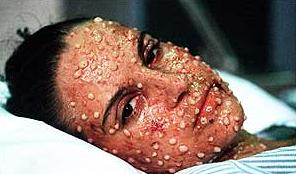
Smallpox killed an estimated 400 million people in the 20th century. As recently as 40 years ago, there were about 2 million deaths from smallpox each year. Native South Americans were deliberately infected by Spanish colonists, and native North Americans were deliberately given infected blankets by British colonists. The epidemics that followed killed more than half the population.

7 years ago today: Government misled the public over BSE

On 26 October 2000 the long awaited report by Lord Phillips into BSE or (mad cow disease) in the UK was released. The report severely criticized government scientists and government ministers for misleading the public and making dogmatic scientific statements going beyond the bounds of that which they could possibly have known. Furthermore, for six months the government hid scientific information.

Mr Gummer, agriculture minister was censured for his decision to publicly feed his four-year-old daughter a beef burger. Health Secretary Mr Dorrell was censured for providing public assurances in "terms more extreme than he could justify".

The report was welcomed by the families of the victims. BSE caused fewer deaths than some anticipated, but next time I would like to decide for myself thank you. Paternalistic politicians and regulators are clearly better at filtering facts and making decisions than scientists or the public. Is it only scientists who can be guilty of scientific fraud?

Patriot Act

6 years ago today: Unhappy Anniversary

On 26 October 2001 George W. Bush signed the Patriot Act.

Apart from the creeping fascism, the act allows the government to seize patients' medical records without a probable cause or a warrant. It prohibits doctors from telling anyone, including the patient, that their sensitive medical records have been seized. A provision was slipped into the Homeland "Security" bill to shield drug companies from litigation.

How fortunate for governments that the people they administer don't think.
(Adolf Hitler)

On March 23, 1933, Adolf Hitler forwarded the the "Enabling Act" which provided the newly elected Nazi government with additional powers to act against enemies of the state.

5 years ago today: Michael Bellesiles resigns over gun book

On 26 October 2002 Emory University professor Michael Bellesiles resigned after an academic panel released a report critical of his research.

The report concluded that Bellesiles had omitted data that contradicted his arguments.

Bellesiles had written that he had studied more than 11,000 probate records in 40 counties around the country and that he had found that from 1765 to 1790, only 14 percent of estate inventories listed guns. Those who tried to examine the research found that they could not, because Mr. Bellesiles said his records had been destroyed in a flood. The records they could check showed many errors, almost all supporting his thesis.

It is depressing the way scholars align for or against possible fraudsters based on their subject matter rather than integrity. The problem then becomes a matter of gun-rights instead of academic integrity.

Earlier|Later|Main Page

Labels:

Memory Hole (25 October): The system is fully protected

Scientific Misconduct Blog Memory Hole: Events of October the 25th


16 years ago today: Money and David Baltimore

On 25 October 1991 it was reported in Science that Rockefeller University had received a further $20 million from David Rockefeller, who said the gift reflected his "absolute confidence" in Dr. David Baltimore, the university president.

Oh what money can buy.

The Baltimore affair was a turning point in the muddling of rules of conduct of science, legal obfuscation of standards, and the acceptance of scientific bullying as part of the game. I am sure it will occupy much space on these pages.

Sources:

16 years ago today: Robert Gallo - more hot water over the HIV virus

On 25 October 1991 Science reported on the ongoing tribulations of Robert Gallo. It would appear that Gallo's frozen samples yielded no trace of any relevant virus. Hard to know what actually happened when such money and power are involved. According to some a massive whitewash. According to others such as Bernadine Healy - who was in the hotseat at the NIH at the time - just an unfortunate collection of easy-to-airbrush minor mistakes.

Bernadine of the "minor mistake" school of thought is of course the previous NIH director who appears to dislike actual evidence. She wrote an attack on Evidence Based Medicine accusing it of being "an attack on physicians" and there to support a "microfascist" ideological agenda. For that she was roundly criticized (see here). Her views are telling.

Ditto the Baltimore affair above - Bernadine was involved with that too.

"Gallo Investigation Raises New Questions," Science 254, 25 Oct 1991

4 years ago today: Lancet blasts AstraZeneca over Crestor

On 25 October 2003 a blistering editorial in the Lancet took AstraZeneca to task for an "unprincipled campaign" surrounding the marketing of its newly approved statin, rosuvastatin (Crestor).
  • "AstraZeneca's tactics" ... "raise disturbing questions about how drugs enter clinical practice and what measures exist to protect patients from inadequately investigated medicines".
  • "With no hard clinical end point trials yet completed, reliance was exclusively on various surrogate end points"
  • "the company" has chosen to market rosuvastatin by "applying adventurous statistics to an overinterpreted syllogism".

The rebuttal from AstraZeneca and some scientists was to the effect that:
  • "Rosuvastatin is an extensively studied and well-tolerated drug with a safety profile comparable to other marketed statins combined with a greater ability to get patients to their cholesterol goals than any other single product".
  • That evidence underlying the use of other drugs is even worse. "Lipitor went to 53% of the market without a single long-term clinical trial. How can you say this to AstraZeneca when its competitors have done exactly what it's now doing?"

High quality thinking and scientific debate all round.

The clinical pearl of the day : use a new drug while it is still effective.

Source: The statin wars: why AstraZeneca must retreat. Lancet. 2003 Oct 25;362:1341.

Fardin Oliaei

2 years ago today: High science and bullying in Minnesota

On 25 October 2005 a scientist Fardin Oliaei at the Minnesota Pollution Control Agency testified that she had been reprimanded for studying a chemical once manufactured by 3M. Furthermore her bosses had blocked her work.

3M had stopped making the chemical after previous studies had shown that it was accumulating in water and human tissues. Oliaei began looking again in 2002 when 3M said they found further contamination.

"At every turn, this MPCA management has tried to hinder my work in investigating the PFC problem," Oliaei said. "The managers became totally blind of their professional obligation."

Commissioner Corrigan of the MPCA was quoted as saying: "the MPCA is not a place for scientists. It is not a research institution". And I should look for another job."

Oliaei was then disciplined for talking to Minnesota Public Radio.

"It's clearly retaliation to me," said Senator Marty. "She's been doing work that a company doesn't like, certain senior managers don't like, and they're treating her like dirt."

High science in Minnesota. So Minnesotans, next time you find a crack in a bridge you know what to do.

Source: "MPCA scientist tells lawmakers her research on 3M chemicals was blocked" Minnesota Public Radio, Oct 25 2005

Earlier|Later|Main Page

Labels: , , , ,

Memory Hole (24 October): Everyone is fooled

Scientific Misconduct Blog Memory Hole: Events of October the 24th


Houdini patent

81 years ago today: Houdini's last performance

On 24 October 1926 Harry Houdini the famous escapologist gave his last performance
(at the Garrick Theatre in Detroit).

His escapes relied on trickery and misdirection.

Not unlike the nimble evasions and circumlocutions, and the Houdini-like scientific escapes discussed here.
It is about those scientific fraudsters and fakers who slip through the loopholes. Everyone is fooled.

He was also a genius.

The picture is a detail from his 1 March 1921 patent application for a diving suit.

#1370316 signed "H Houdini, Inventor".

Serious science and engineering underlying the tomfoolery.


78 years ago today: Stock market crash

24 October 1929 was the "Black Thursday" crash on the New York Stock Exchange. I am interested in the functioning and malfunctioning of government and "regulators" (including drug "regulators") in a supposed free market - hence this entry.

60 years ago today: Walt Disney and the "communists"

On 24 October 1949 Walt Disney testified to the House Un-American Activities Committee naming Disney employees he believed to be communists. Ditto above.

scientific authorship

5 years ago today: Imperial College London and the mystery publication

On 24 October 2002 a mysterious paper appeared in the New England Journal of Medicine about hypertrophic cardiomyopathy (W. Shamin et al. NEJM. 347, 1326 1333, 2002)

There were eight authors. The signatures of all eight appeared on the original submission and the three revised versions. Over the weeks following publication it emerged that several of these signatures were forgeries. Indeed most "authors" had never seen the manuscript, nor the original data.

Six "authors" had affiliations with Imperial College. Two authors, Waqar Shamin and Mohammed Yousufuddin appear to have chosen six other authors at random to lend prestige to their paper. One author stated "The first thing I knew of it was when Yousufuddin rang me two days before its publication to congratulate me, and to ask me about the method involved in case journalists questioned him".

Having said that, authors in the NEJM and elsewhere are often not authors at all.

This is a good quote about the importance of authorship:

"the integrity of a body of literature is our society’s ultimate temporal forum for negotiating life and death, suffering and wellness... the medical well-being of the society it serves is dependent on the question of who stands behind the word."
-Fr. Mark Gruber, 1999 (cited in ref)

Source for main story: "Paper Retracted as Co-Author Admits Forgery," Nature 421: 77.

3 years ago today: Bullying of doctors in the USA for raising patient welfare concerns

On 24 October 2004 the Association of American Physicians and Surgeons passed a resolution to investigate what they describe as "bad faith" peer review (basically use of hospital "peer review" proceedings to bully doctors who advocate too loudly or too persistently for better patient care).

One year earlier in October 2003, the same newspaper, the Pittsburg Post Gazette published an excellent series of articles over four days dealing with the abuse of doctors who had voiced concerns over patient welfare in the United states. Some of the articles in this "Cost of Courage" series are below:

Part 1: How the tables turn on doctors
Part 2: When right can be wrong
Doctors who spoke out: part A
Doctors who spoke out: part B
Doctors who spoke out: part C
Doctors who spoke out: part D
Extra: Rules of fair play don't always apply
Extra: Centre County hospital critics soon unwanted
Extra: Doctors pay for reporting suspicions

Source main story: Medical groups look into 'bad faith' peer reviews, Pittsburg Post Gazette, Oct 24, 2004

2 years ago today: Cylert discontinuation

On 24 October 2005 the FDA announced that "the overall risk of liver toxicity" from Cylert (Pemoline, an ADHD drug) "outweighs the benefits of this drug". It was linked with 21 cases of liver failure, of which 13 resulted in liver transplantation or death (incidence 10 to 25 times greater than the general population). Abbott Laboratories had already discontinued production.
Source: FDA Alert: Cylert

Earlier|Later|Main Page

Labels: , ,

Memory Hole (23 October): Deja vu all over again

Scientific Misconduct Blog Memory Hole: Events of October the 23rd

Quote of the day

Insanity: doing the same thing over and over again and expecting different results.
Albert Einstein

34 years ago today: Those damn tapes again

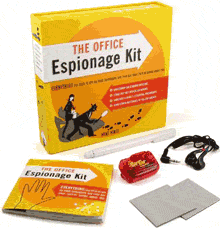
On 23 October 1973 President Richard Nixon eventually agrees to turn over subpoenaed audio tapes of his Oval Office conversations about the Watergate scandal.

Office espionage kit

Those damn tapes again.


14 years ago today: A prelude to TGN1412 (sort of)

On 23 October 1993 it was revealed that a patient in a clinical drug trial who had raised concerns about serious side effects in participants was told he would no longer receive any medical care because of his criticisms. The trial then ended in catastrophe - with the iatrogenic deaths of five participants. The NIH Doctor involved is named as Jay H. Hoofnagle. The drug was fialuridine, to treat hepatitis B. 5 of the 15 patients who took the drug died, and two more required liver transplantation. Shades of TGN1412 (where the MHRA approved a protocol giving an entirely novel drug to six participants within a short time - and then declared themselves innocent of something).
Source: "Doctor Drops Patient For Criticizing Drug Trial," New York Times, 23 Oct 1993

5 years ago today: Research contracts fail to adhere to guidelines

On 23 October 2002 the results of an important study of scientific contracting in biomedicine were released. The study examined legal provisions in 108 contracting arrangements between academics and corporate sponsors. Contracts failed to adhere to guidelines designed to protect integrity.

The study was led by researchers at Duke University Medical Center and the Duke University School of Law. Compliance with three key provisions International Committee of Medical Journal Editors (ICMJE) were examined. ICMJE guidelines are used by more than 500 medical journals as a standard for scientists submitting research for publication.
  • If researchers had proper access to trial data;
  • If researchers could control publication decisions; and
  • If researchers were involved in the design and protocol
The investigators found academic institution contracts with corporate sponsors rarely included these provisions.

"How low the level was kind of surprising and also what was surprising was how powerless the institutions felt in negotiating" [for honest science] Schulman said. "There's a failure of protections." "The problem is one of misrepresenting the data. Data interpretation is key and how the data are interpreted can skew the results".

"Any study that has strong pharmaceutical backing is highly likely to be defective," said Drummond Rennie. "You get the data the drug company wants you to have." "I'm not surprised because this shows what an appalling state everyone was in." "If the same study was conducted in five years time, I would hope there would be a huge difference."

Well that 5 years is up today Drummond.

2002 "Research contracts violate guidelines" 23 Oct 2002 United Press International

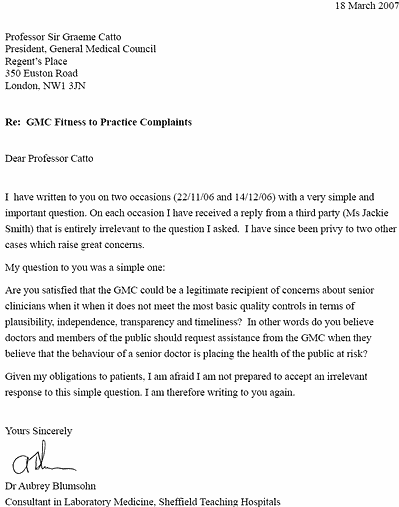
Professor Sir Graham Catto

1 year ago today: The General Medical Council - Action through Inaction

On 23 October 2006 Reuters reported that "the UK General Medical Council has re-drafted the Good Medical Practice guidelines which, amongst other measures, include the provision for raising concerns about patient safety. This follows an extensive consultation by the GMC following the Harold Shipman Inquiry. The Guide demonstrates how far the medical community and its professional body has come in recognising and emphasising the importance of raising concerns where patient safety may be at risk. Public Concern at Work is clearly identified as a source for confidential and independent advice for doctors." Public Concern at Work

Hard to say anything other than ha ha ha.

The threat to those raising concerns has never been greater, thanks in no small part to these two self congratulatory organizations.

They need to examine what actually happens to concerns when they are raised, and discuss what they plan to do about it.

My letter to Professor Graham Catto is alongside. I eventually received a "reply" from an underling admitting system failure (to follow). Read about the GMC here or Wilmshurst's excellent discussion of their miserable lack of integrity here.

Why are there so many problems involving this body? Why would a so called "whistleblower" support group not make any comment about this at all yet wholeheartedly accept a role providing "confidential and independent advice for doctors", while supporting legislation that insists that concerns are raised through such routes. Have they spoke with a reasonable selection of patients and doctors who have tried - and failed - to discuss serious concerns about patient welfare?

Why would anyone bother?

Earlier|Later|Main Page

Labels: , , ,

Memory Hole (22 October): What happened this day?

Scientific Misconduct Blog Memory Hole: Events of October the 22nd

Gosh

97 years ago today: Dr Crippen found guilty - wrongly

On 22 October 1910 Dr. Crippen was convicted at the Old Bailey of poisoning his wife and was later hanged in London. In England, Crippen worked for a homeopathic pharmaceutical company. This month Science Magazine reported that based on mtDNA comparison with matrilineal relatives, the body found beneath Crippen's home was definitely not that of Cora Crippen.
Reference: Notorious Dr Crippen wrongly hanged, Science 16 Oct 2007

Sulfanilamine

70 years ago today: Dr A.S Calhoun on responsibility

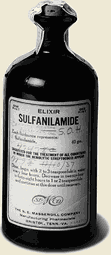
On 22 October 1937 this letter was written by Dr. A.S. Calhoun. It was part of a key incident leading to a change in medicines regulation:

"But to realize that six human beings, all of them my patients, one of them my best friend, are dead because they took medicine that I prescribed for them innocently, and to realize that medicine which I had used for years in such cases suddenly had become a deadly poison in its newest and most modern form, as recommended by a great and reputable pharmaceutical firm in Tennessee: well, that realization has given me such days and nights of mental and spiritual agony as I did not believe a human being could undergo and survive. I have known hours when death for me would be a welcome relief from this agony."
(Letter from Dr. A.S. Calhoun, October 22, 1937)

The medicine that killed Dr. Calhoun's patients was Elixir Sulfanilamide (Read more here).

The question is whether our sense of personal responsibility for failing to examine science and integrity should be any different in 2007 given a semblance of "regulation". I like this quote from Dr. A. Dale Console, former medical director for drug giant ER Squibb:

"We could make no greater mistake than to be lulled into a sense of false security by believing that some disembodied force called the government will act like a beneficent big brother and make certain that the special interests will not predominate. If the general welfare is to be protected, it will be protected by the actions of people, not the government."

13 years ago today: More non-consensual radiation experiments disclosed

On 22 October 1994 it was reported that the US President's Advisory Committee on Human Radiation Experiments admitted that many more radiation had been conducted by the Government and the military from 1944 to 1974 than previously suggested. These included injection of plutonium and deliberate release of large amounts of radioactivity into the environment.

The number of human experiments were said to be in the thousands. Most were conducted without consent, and some on retarded and "incorrigible" children in institutions.

A decade ago I was involved in conducting a limited low-dose isotope experiment in osteoporosis (reference below). I had read many of the original studies of skeletal metabolism that were carried out in the 1950's. Some of these were interesting. I had thought little about their origins and will discuss one particularly problematical bone radiation study in a later posting. It's about trust.

References:
  • "Panel Says U.S. May Have Done Thousands of Human Radiation Experiments," New York Times, 22 October 1994
  • Blumsohn A, Morris B, Eastell R (1994). Stable strontium absorption as a measure of intestinal calcium absorption: comparison with the double-radiotracer calcium absorption test. Clin Sci. 1994 Sep;87(3):363-8. [Pubmed]
  • Panel Releases Report on Human Radiation (the US government view)

Tip of the iceberg

7 years ago today: Another easy case - Fujimura the archaeologist

On 22 October 2000 a renowned archaeologist Shinichi Fujimura dug some holes in Japan. He arranged some ancient stone tools in a symbolic pattern, and covered them with soil. He and his team then invited journalists to see this important discovery in progress.

Fujimura’s findings had led to the idea that the earliest human habitation of Japan was 600,000 years ago instead of a mere 30,000.

As it happens, reporters suspicious of his previous work had filmed the burial. Fujimura admitted to his fraud. Most of his earlier discoveries also proved to be forgeries.

Another nice cozy case of fraud for those want easy definitions of integrity.

Sources
BBC: Archaeologist exposed as fraud (with nice photographs)
Harvard Asia Quarterly Volume VI (3) 2002

Earlier|Later|Main Page

Labels: , ,

Memory Hole (21 October): What else happened?

Scientific Misconduct Blog Memory Hole: Events of October the 21st

48 years ago today: Operation Paperclip and government expediency

On 21 October 1959 President Eisenhower signed an order transferring Wernher von Braun and other ex-Nazi German scientists from the US Army to NASA. Operation Paperclip was the secret project to extract Nazi German scientists out of prosecution for warcrimes and into the US military. von Braun was key in the production of 6000 V-2 rockets 500 of which hit London. 20,000 slaves died during V-2 production - "you could see piles of prisoners every day who had not survived the workload" - during his frequent attendance "Prof. Wernher von Braun never once protested against this cruelty and brutality" [ref]. This entry is here because it relates to the wartime operation of scientists and the role of government in a democracy.
Source: Hunt,L "U.S. Coverup of Nazi Scientists" Bulletin of the Atomic Scientists. April, 1985

9 years ago today: Anonymous letters feature in a key scandal

On 21 October 1998 a senior academic in Toronto wrote this anonymous letter. It was one of several. Who was he and what did this have to do with a key academic freedom scandal?

Read on here: Anonymous threats in Toronto

2 years ago today: The Karasik conspiracy

On 21 October 2005 the Pharmaceutical Research and Manufacturers of America (PhRMA), the discredited American Pharmaceutical trade lobby group, admitted that they paid a publisher to have a thriller written about Croatian terrorists using Canadian pharmacy websites to slaughter millions of Americans. Jayson Blair working for Phoenix Books, was tasked with editing this book, called "The Karasik Conspiracy."

The goal was supposedly "to scare Americans into opposing any amendment to existing legislation" that formally bans the import of low-cost prescriptions from Canada.

PHRMA also made several editorial suggestions. "They said they wanted it somewhat dumbed down for women, with a lot more fluff in it, and more about the wife of the head Croatian terrorist, who is a former Miss Mexico," one of the authors told the newspaper. Apparently, women are among the most loyal buyers of Canadian drugs.

When the project fell through, PhRMA apparently offered $100,000 to the co-authors and publisher in a vain effort to shut it down. The authors went ahead anyway, writing a book of the same name about a drug company that funds a terrorist attack.

And PhRMA expect to get taken seriously. They also feature as apologists by proxy in the little saga of a bone drug, in which PhRMA was cited as stating that according to their guidelines scientific authors should never never ever have access to the data about which they are writing. Well that's OK then.

See:
Earlier|Later|Main Page

Labels: , , ,

Memory Hole (21 October): Vioxx and a quacking duck

The scientific process

8 years ago today: A story of ducks and a single death in a Vioxx clinical trial

On 21 October 1999 a 73-year-old woman died. That death and our response to it tells volumes about the health of our profession.

In medicine we sell our wares under the banner of science. The technique of science (the "scientific method") consists of a number of steps. For a double blind randomized clinical drug trial those steps might be:
  1. State a meaningful hypothesis
  2. Design a study and statistical methods to test it
  3. Do the study in a double blind randomized way
  4. Unblind the study AFTER deciding what happened to each patient and locking the database
  5. Study authors analyze the results
  6. Share the results with everyone
That is the usual way of science. This method is not used by the practitioners of any system of quackery.

So that takes us to the Merck Advantage trial of Vioxx, and a single 73-year-old female participant in that trial who died on this day - Oct. 21, 1999. She died a few minutes after calling her son to tell him she felt short of breath.

The Advantage trial was a very short (12-week) clinical trial in 5,500 patients. If you want to avoid showing up long term side effects, you keep your clinical trials short and scientifically irrelevant (that's about the meaningful hypothesis part).

Now eight people taking Vioxx suffered heart attacks or sudden cardiac death in the Advantage trial, compared with just one taking naproxen, according to data released by the F.D.A. in 2005. The difference was statistically significant, but Merck never showed the data that way.

In the published study, Dr. Lisse (University of Arizona) reported that five patients taking Vioxx had suffered heart attacks during the trial, compared with one taking naproxen, a difference that did not reach statistical significance. But the paper never mentioned the other cardiac deaths of patients taking Vioxx, including the 73-year-old woman.

Dr. Lisse said that while he was listed as the paper's first author, Merck actually wrote the report (that's the authoring bit). "Merck designed the trial, paid for the trial, ran the trial," Dr. Lisse said. "Merck came to me after the study was completed and said, 'We want your help to work on the paper.' The initial paper was written at Merck, and then it was sent to me for editing."

Now, the other thing in usual science is not to allow company technocrats with a vested interest to decide themselves what happened to individual 73 year old women after the study is unblinded.

Neither patients nor their doctors were aware whether patients were receiving Vioxx or naproxen. Results from the trials were also supposed to be blinded when they were examined, so that Merck researchers could not bias the results. After examining the case, Dr. Eliav Barr, a Merck employee judged that the woman had probably died of a heart attack."

"Common things being common, the clinical scenario is likely to be MI (heart attack)" Dr. Barr wrote in an E-mail message in November 2000 to Dr. Reicin, the Merck clinical research executive.

Dr. Reicin quickly shot back: "I think this should be called an unknown cause of death." A few hours later, she wrote, "I would prefer unknown cause of death so we don't raise concerns."

Interesting science"A fatal event not being treated as objectively as possible surprises me," said Dr. Myerburg, a prominent cardiologist. "It looks like they're playing around with this death."

In November 2001, an F.D.A. reviewer who had examined all the company's data concluded in a report to other agency officials that Merck had misclassified the death. But the F.D.A. never told anyone either.

Dr. Lisse, the study "author" said he had never heard of the case of the woman who died, until told of it by a reporter.

So can we really believe anything at all, and how to distinguish this from the worst type of quackery? As the old saying goes, ...If it looks like a duck, and it quacks like a duck...it's a bloody duck.

What is even more amazing is that the leadership of medicine says nothing -- nothing at all. Medical students learn none of this in any of their pseudo-ethics training.

Sources:
  1. Correspondence in the Annals of Internal Medicine on the problem: Deeply disturbing evidence of medicine run amok
  2. New York Times, April 24, 2005: "Evidence in Vioxx Suits Shows Intervention by Merck Officials"
Earlier|Later|Main Page

Labels: , , , , ,

Memory Hole (20 October): The Protectors

Scientific Misconduct Blog Memory Hole: Events of October the 20th

Quotes of the day

This and no other is the root from which a tyrant springs; when he first appears he is a protector.
Plato circa 400 B.C.

A good deal of tyranny goes by the name of protection.
Louise Erdrich

60 years ago today: Academic Freedom is un-American

On 20 October 1947 the House Un-American Activities Committee opened hearings into supposed communist influence in the motion picture industry.

22 years ago today: Secret C.I.A funding at Harvard

On 20 October 1985 it was reported that Nadav Safran, a Harvard Professor of Near Eastern Studies had been receiving confidential research funding from the Central Intelligence Agency ("Harvard Widens Inquiry in C.I.A. Aid to Professor," New York Times 20 Oct 1985). Part of the agreement was that he should submit his manuscripts to the CIA for prior approval. Several scholars had earlier withdrawn from a conference on Islamic fundamentalism at Harvard after learning that the CIA was one of its sponsors. Safran was later forced by his colleagues to resign his Harvard position. See some discussion in the Harvard Crimson of 1986.

6 years ago today: UK Government accused of coverup over sheep research

On 20 October 2001 the UK Labour Government was accused of trying to hide details of the disastrous scientific investigation into BSE in sheep.

2 years ago today: Pargluva and regulatory failure

On 20 October 2005 an important article was published JAMA (Brophy JM. Selling safety - lessons from muraglitazar. JAMA 2005; 294) indicating various techniques used to provide a deceptive impression of the drug Pargluva (muraglitazar) to a puppet FDA panel. For the methods used to mislead see the summary at Health Care Renewal.

The FDA panel reviewing Muraglitazar had known of concerns, but had conflicts of interest. They backed the drug regardless of the absence of any evidence of meaningful efficacy (NYT). The summary of the FDA meeting (available on the internet archive here) indicates concerns about increased heart failure and cardiac death with Pargluva (short term cardiac death rate 0.3% with Pagluva 0% with Actos, CCF 0.75% for Pargluva vs 0% for Actos). Five clinical trials had been notified to the FDA (the "clinical trial register") but were not available in published form.

The parallel scientific report in JAMA concluded "muraglitazar should not be used or approved to treat patients with diabetes until an appropriate dedicated trial to assess cardiovascular outcomes is performed." - which is exactly the conclusion an honest FDA panel should have reached.

On 18 March 2006 Bristol-Myers Squibb discontinued the development of muraglitazar.

2 years ago today: Nature study on distortion of clinical guidelines

On 20 October 2005 the journal Nature reported on their investigation of "independent" clinical guidelines ("Cash interests taint drug advice" Vol 437/ 20 October 2005). The results of the survey showed that "drug companies are distorting decisions about how their products are being prescribed". Surprise.

"Nature found that more than one-third of authors declared financial links to relevant drug companies, with around 70% of panels being affected. In one case, every member of the panel had been paid by the company responsible for the drug that was ultimately recommended." Nature studied over 200 guidelines deposited with the US National Guideline Clearinghouse. Only 90 contained details about conflicts of interest. Of those, just 31 were free of industry influence.

In one example uncovered by Nature, guidelines for the treatment of anaemia in HIV positive patients were written by a working group selected by Paul Volberding at UCSF. Volberding convened the group at the request of Ortho Biotech. Ortho Biotech funded the meetings and all six members were paid by the company for lecturing or consultancy. The group's guidelines (P.Volberding et al. Clin. Infect. Dis. 38, 1454-1463; 2004) recommend use of epoetin alpha, a drug marketed by Ortho Biotech.

Patients die as a result of schlock science - does anyone care?

2 years ago today: David Healy, the BMJ and Academic Stalking

On 20 October 2005 Professor David Healy gave a landmark talk at Columbia University. Amongst other things he detailed the role of lawyers at the British Medical Journal in the peer review process: "our best journals refuse to take articles on the basis of sheer terror about what pharmaceutical companies might do to them rather than on the basis of any concerns about the scientific merits". The lecture was scheduled as a debate between Healy and James Coyne (University of Pennsylvania), but Coyne pulled out. Coyne had an interesting role in the stifling of academic debate (see Academic Stalking) as did academics at Oxford University. Sickening reading.
Earlier|Later|Main Page

Labels: , , , , ,

Memory Hole (19 October): Harvard paper in "error"

12 years ago today: Harvard paper in "error"

On 19 October 1995 the journal Nature reported on the case of three Harvard Medical School researchers:

R. Alan B. Ezekowitz (now senior vice president at Merck),
John B. Mulliken and
Judah Folkman.

This is an instructive case and I have therefore provided it with an exclusive Memory Hole.

One wonders how scientific scientific misconduct or fraud might be defined given this piece. Below is the text reproduced from the database of Professor A.C. Higgins (highlighting added). Perhaps you can avoid anything simply by being important (see BMJ, 2007;335:582-583). This is Ouija board science.

The linguistics of the news report are Familiar to me relating to the first part of a publication trilogy involving myself.
"Inquiry at Harvard prompts research paper corrections,"
Dalton, Rex. Nature 377 (19 October 1995), p. 569.


Three prominent physicians from Harvard Medical School working at the Children's Hospital in Boston have been forced to publish an extensive correction in connection with federally funded research on a treatment for rare, life-threatening birthmarks in infants. The correction has been published in the New England Journal of Medicine (NEJM) after a lengthy investigation by Harvard into the conduct of the physicians, R. Alan B. Ezekowitz, John B. Mulliken and Judah Folkman. The latter is internationally renowned for his discoveries on angiogenesis, the process by which blood vessels grow.

It follows a briefer correction, published unilaterally last year by the three when the investigation was still under way, which included corrected data about some of the patients involved in the study, but without any accompanying comment - or even identification of the names of the authors.

The investigation concerned an article published in the NEJM (326, 1456 63; 1992) on the effectiveness of interferon alfa-2a in reducing large hemangiomas, growths that can occasionally block an infant's airway, affect its vision or compromise a vital organ.

The article, based on observations of 20 cases, claimed that the therapy had had a substantial effect. But Harvard officials say that after it was published, other physicians who had referred the children to the team complained about various inaccuracies.

The committee found that there was no misconduct or fraud, says Nathan. But it did find many errors needing correction. These included the fact that some hemangiomas were reported to have regressed more than they did; that the lesions were not measured, as the article suggested; that some patients were not treated for the period reported; that prior therapies used on some patients were not listed correctly; and that monthly blood tests were not taken on all patients as reported, with the result that no conclusion could be reached on drug toxicity.

The results of Harvard's investigation were sent to the National Institutes of Health (NIH)'s Office of Research Integrity (ORI), which, according to Nathan, accepted the university's findings. But it appears that neither the National Cancer Institute (NCI), nor the National Center for Research Resources -the NIH agencies whose grants were cited as funding the research- was notified of the Harvard investigation or of any corrective actions. Collette Freeman, the NCI grant officer, described the situation as "extraordinary" and "bizarre" when told of the correction.

Harvard officials refuse to comment on the case, or to say whether any sanctions were issued against the researchers. Nor were any of the three physicians prepared to comment. But in their correction, published on 31 August, they wrote: "We are embarrassed by our errors and regret them. We apologize to the readers for any misunderstanding and thank our colleagues for their assistance in correcting our report." Nathan called the interferon research "a very important paper" by "distinguished investigators." But, he claims, the researchers "got very busy" and "just slapped this paper together." He accepts that almost all the errors in the eight-page article tend to improve the apparent success of the therapy. "That is how the original complaint was made," says Nathan. "It is curious that it turned out that way."

The lengthy investigation appears to have been marked by contention, defiance by the researchers and anger. Nathan says that when the Harvard review started, the three "became very irritable," submitting material for correction to the journal against his advice. "The first correction wasn't certified by Harvard," said Nathan. "I felt it was wiser to be patient, collect all the errors and deal with them in one fell swoop," he says, adding that the medical school feels strongly that corrections have to be certified by the institution.

Jerome P. Kassirer, who took over as editor-in-chief at the NEJM after the first correction was published, says that the Harvard researchers submitted "material that was very confusing" for this correction. Earlier this year, he says, the three physicians submitted further material, approved by Harvard, but this was little easier to interpret. "The editors had a great deal of trouble figuring out what they were driving at."

Despite the errors, Nathan said the conclusions of the study remain valid, and that interferon remains the preferred therapy for such hemangioma cases. But some physicians feel a random, prospective study is still required to back up this conclusion, as the lesions are known to regress on their own as children age.

"I have to express reservations about any non-randomized study, especially one in which it now appears that the data was brushed up," says Ajay J. Vora, a paediatric haematologist at Children's Hospital in Sheffield, in the United Kingdom, who originally questioned the interferon study in a letter to the NEJM in October 1992.
Earlier|Later|Main Page

Labels: ,

Memory Hole (19 October): A collection of bloody shreds

Scientific Misconduct Blog Memory Hole: Events of October the 19th

Quote of the day

O Lord, our God, help us to tear their soldiers to bloody shreds with our shells; help us to cover their smiling fields with the pale forms of their patriot dead; help us to drown the thunder of the guns with the shrieks of their wounded, writhing in pain; help us to lay waste their humble homes with a hurricane of fire; help us to wring the hearts of their unoffending widows with unavailing grief; help us to turn them out roofless with their little children to wander unfriended the wastes of their desolated land in rags and hunger and thirst, sport of the sun-flames of summer and the icy winds of winter, broken in spirit, worn with travail, imploring Thee for the refuge of the grave and denied it - for our sakes who adore Thee, Lord, blast their hopes, blight their lives, protract their bitter pilgrimage, make heavy their steps, water their way with tears, stain the white snow with the blood of their wounded feet! We ask it, in the spirit of love, of Him Who is the source of love, and Who is the ever-faithful refuge and friend of all that are sore beset and seek His aid with humble and contrite hearts. Amen.
Mark Twain

What else happened today?

34 years ago on 19 October 1973 President Richard Nixon rejects an Appeals Court demand to turn over the Watergate tapes. The concept of tape recording in cases of scientific misconduct is of interest, hence this entry. Fortunately US Presidents now have less power to behave illegally.

22 years ago on 19 October 1984 the Journal Science reported the outcome of the NIMH "study" suggesting that 20% of Americans are mentally ill ("some recognizable disorder"). Taurus excreta cerebrum vincit.

7 years ago on 19 October 2000 the journal Nature reported that historians found greater ties between German race scientists and the Hitler regime than previously thought. Scientists exploited scientific opportunities "beyond all morally acceptable limits for the benefit of their own research." They set the criteria for the castration of criminals, the forcible sterilization of "inferior" women, particularly those with "psychological" problems, and "an objective scientific background" for racism. The report also discussed the likely role of Nobel laureate Adolf Butenandt (later professor at the University of Munich) in the analysis of samples from Auschwitz experiments.

7 years ago on 19 October 2000 a panel of scientists recommended that the FDA ban the drug ingredient phenylpropanolamine (PPA), a common ingredient in decongestants (see cover-up and delay discussed in 13 October Memory Hole).

7 years ago on 19 October 200 a spate of people having seizures while taking the new anti-smoking drug Zyban (Bupropion) raised concern about its safety. Critics also claim "cold turkey" is twice as effective as Zyban in the real world, that clinical trials were fatally flawed because the majority of patients were able to guess their randomization correctly (drug or placebo), and both studies and followup were too short. However, patients were provided with extremely detailed information about the risk of convulsions in the Bupropion leaflet. That allows smokers to make proper informed decisions, and is far better than the meaningless non-quantitative risk information usually supplied. I personally would not be inclined to take the drug in a million years. Patients were not misled (presuming the information about risk and efficacy is honest) and I wish we would see more of this. Risks were stated as follows:
Bupropion is associated with seizures in approximately 0.4% (4/1000) of patients treated at doses up to 450 mg/day. The estimate seizure incidence for bupropion increases almost tenfold between 450 and 600 mg/day, which is twice the usually required daily dose (300 mg) and one and one-third the maximum recommended daily dose (450 mg). Given the wide variability among individuals and their capacity to metabolize and eliminate drugs, this disproportionate increase in seizure incidence with dose incrementation calls for caution in dosing. During the initial development, 25 among approximately 2400 patients treated with bupropion experienced seizures. At the time of seizure, seven patients were receiving daily doses of 450 mg or below for an incidence of 0.33% (3/1000) within the recommended dose range. Twelve patients experienced seizures at 600 mg per day (2.3% incidence); six additional patients has seizures at daily doses between 600 and 900 mg (2.8% incidence). A separate, prospective study was conducted to determine the incidence of seizure during an 8-week treatment exposure in approximately 3200 additional patients who received daily doses of up to 450 mg. Patients were permitted to continue treatment beyond 8 weeks if clinically indicated. Eight seizures occurred during the initial 8-week treatment period and five seizures were reported in patients continuing treatment beyond 8 weeks, resulting in a total seizure incidence of 0.4%.
5 years ago on 19 October 2002 presidents of the US National Academies accused the Bush administration of going too far in preventing publication of some research on the basis of national security.

2 years ago on 19 October 2005 the WSJ discussed Bunny Greenhouse, a top procurement official in the U.S. Army fired after questioning contracts awarded to Halliburton before the Iraq war. "If prison inmates don't like the warden who keeps them from breaking out," Greenhouse says, "do you replace the warden?" A heady mix of race, gender and war money.

2 years ago on 19 October 2006 President Bush proposed a $7.1 billion plan to protect the nation against a potential bird-flu pandemic (someone remind the man why there was bedlam in New Orleans).

1 year ago on 19 October 2006 a suppressed publication about cancer epidemiology in IBM semiconductor workers was finally published following extensive legal and editorial bullying (Clapp et al., Environ Health. 2006;5:30). See IBM's approach to scientific integrity.

Sources:
Richard M Nixon
"NIMH Finds One in Five Have Disorders," Science 226 (19 Oct 1984) p. 324
"Deep Roots of Nazi Science Revealed" Nature 407 (19 Oct 2000) p. 823
"Researchers Say Science Is Hurt By Secrecy Policy Set Up By the White House," NY Times,19 Oct 02
The Independent (London), Oct 19, 2000 "Spate of seizures among users of anti-smoking wonder drug"
"Whistle-Blower or Troublemaker, Bunny Greenhouse Isn't Backing Down", Wash. Post,Oct 19 05
Elsevier , IBM, Academic freedom and public health

Earlier|Later|Main Page

Labels:

Memory Hole (18 October): Like deja vu all over again

6 years ago today: Jan Hendrik Schoen paper published - a scientific fraud

In the 18 October 2001 issue of Nature, Jan Hendrik Schoen of Bell Laboratories published an astonishing paper describing a transistor in which a single molecule acted as a "switch".

Schoen was named as one of science's top young innovators. During 2001, Schoen churned out a new paper on average every 8 days. However science star soon turned to Icarus.

In April 2002 other researchers noticed a strange similarity between a figure in the Nature paper and another figure Science had published on a different device. Other apparent problems were soon found, and then many more. Ultimately 24 critical problems involving 25 papers and 20 co-authors were examined. In at least 16 of these cases Schoen had falsified or fabricated data. Crucially he had also deleted his data files, making it impossible to check.

All nice and tidy and easy to define as misconduct within the restrictive definitions.

Schoen said, "I have to admit that I made various mistakes in my scientific work, which I deeply regret,... However, I would like to state that all of the scientific publications that I prepared were based on experimental observations". Schoen apologized for his "mistakes". The words are familiar to me.

But it gets more difficult when the culpability of coauthors is raised. Although it was determined that there was "no evidence of misconduct by any of Schoen's co-authors" it is not clear that any of them bothered to check anything. That seems to be culpable negligence.

The coauthors were "certainly happy to bask in the glow when things looked wonderful. But you can't have it both ways and not accept some level of the burden of responsibility".

Source: "Bell Labs Fires Star Physicist Found Guilty of Forging Data" Science 298, 4 Oct 2002, 30-31

45 years ago today: Nobel Prize to Watson, Crick and Wilkins

On 18 October 1962 Dr. James Watson Dr. Francis Crick and Dr. Maurice Wilkins were awarded the Nobel Prize for their determination of the molecular structure of DNA. Watson and Crick had received crucial unpublished data from Rosalind Franklin's lab, perhaps without her knowledge.

22 years ago today: Dispute Over Access to Reye's Study Data

On 18 October 1985 Science reported on a dispute over raw data. Many epidemiological studies have shown that aspirin intake in children is a trigger for Reye's syndrome. Following advice about aspirin use in children, the incidence of Reye's syndrome decreased about 10 fold from a high of about 1/100,000 children per year (with mortality around 50%).

Plough (maker of St. Joseph's aspirin) were sued by a family. In their response to the case, Plough demanded that the US government release to it the raw data it has on aspirin. This was refused.

I think the government was entirely wrong to have refused (within the limits of patient confidentiality). Science which cannot be scrutinized is not science at all.

Schering-Plough is of course the company that writes £10,000 checks to doctors in exchange for prescribing their drugs. They also manufacture:
  • Remicade (infliximab)
  • Intron A & PEG-Intron(Interferon Alfa-2b)
  • Levitra (vardenafil)
  • Zetia (ezetimibe)
  • Vytorin (ezetimibe/simvastatin)
Schering-Plough sell these products under the banner of science. They will of course supply raw data to scientists, prescribers and patients who wish to check the scientific and ethical basis of their prescribing. Such is the way of proper science and the meaning of that banner.

Source: "Dispute Over Access to Reye's Study Data," Science 230 (18 October 1985), pp. 297 298.

8 years ago today: Probe into deaths of 25 experimental subjects at Porton Down

On 18 October 1999 the BBC reported that police were investigating the deaths of 25 ex-servicemen in the UK who were used as guinea pigs in germ warfare experiments at Porton Down (the defence research establishment in Wiltshire). The investigation was sparked by a probe into the death of airman Ronald Maddison in 1953.

Maddison, then 20, died after 200mg of deadly nerve agent Sarin B was dripped onto a piece of uniform stuck to his arm.

"The investigation is hugely sensitive because it could lead to the prosecution of former Ministry of Defence staff"

Solicitor for relatives of the Porton Down victims, said the "guinea pigs" were tricked into believing they were taking part in research into the "common cold". Gordon Bell, 61, says he was paid two shillings. "In one test we had to stand in front of a stream of gas which I could not stand for more than a minute," he said. "It was a dirty trick, plain and simple."

Source: BBC

Sheep or Cow

6 years ago today: UK Government science project confuses cows and sheep

On 18 October 2001 the UK government announced that a critical four-year government study looking at infection of sheep with BSE (mad cow disease) was dropped. The government claimed the scientist involved had been testing cow brains thinking they were sheep brains.

They admitted that testing on the wrong tissue had been carried out for the past five years. The supposed discovery of the mixup took place just two days before the research was due to be presented to the Spongiform Encephalopathy Advisory Committee. A positive result without the supposed mix-up would have led to millions of UK sheep being culled.

The UK's Rural Affairs Secretary, Margaret Beckett was accused of trying to hide news of the supposed confusion.

5 years ago today: Throwing science down the toilet - Judge Henry Kennedy and pediatric rule for regulators

On 18 October 2002 a federal District Court struck down the Food and Drug Administration's Pediatric Rule, saying that the agency did not have the authority to require drug makers to test some of their products for childhood use.

Several groups, including the "Competitive Enterprise Institute" sued the FDA to overturn the Pediatric Rule, arguing that it improperly expanded the agency's authority because it opened the door to greater oversight of "off label" uses of drugs.

Amazing stuff. Perhaps all drugs should be tested on 80 year old Mongolian men so that "off label" (read non scientific) use could be more widespread. The level of evidence for consumer products will then be similar to any other type of quack medicine, but mis-sold under the banner of "science".

Judge Henry H. Kennedy Jr., you have behaved like an impetiginous inquinate orosscrolest and have approached a problem of science with mental discalceation.

Sources: Washington Post, "Court Strikes Down FDA Rule", Oct 18 2002; Vera Sharav, Children in Clinical Research: A Conflict of Moral Values, American Journal of Bioethics 3(1) 2003

2 years ago today: FDA suggests that psychotropic manufacturers test their drugs

On 18 October 2005 the Wall Street Journal reports that the FDA has sent out feelers to drug manufacturers to provide "longer-term efficacy data" for psychotropic drugs.

So what happened to the feelers?

Are patients are told that most clinical trials of psychotropic drugs last only a few weeks, and that a majority have shown that the drugs work no better than placebo, and have non-efficacy to rival homeopathic medicines (which in turn work as well as placebo)?

High science.

Source: Wall Street Journal, "FDA May Require Longer Studies Before Clearing Psychiatric Drugs" Oct 18, 2005

2 years ago today: Serono plead guilty to scam pseudoscience

On 18 October 2005 the company's Serono Labs agreed to plead guilty to conspiracy to market the drug Serostim by "supplying doctors with scam "diagnostic software" that was about as science-based as colonic irrigation. Serostim is an injectable form of growth hormone marketed for AIDS wasting.

Basically Serono created some crappy software that sought to "redefine AIDS wasting". This computerized medical test ostensibly determined "body cell mass." The results signaled that patients had lost "body cell mass" and were "wasting", even if they had lost no weight or had actually gained weight. With these test results in hand, doctors would justify prescribing Serostim to treat the supposed problem - at $21,000 a treatment.

The company also agreed to plead guilty to the other part of the scam - offering doctors all-expense-paid trips to a medical "conference" in Cannes, France, in exchange for writing more prescriptions for Serostim.

85 percent of the prescriptions written for Serono's growth hormone Serostim weren't necessary.

$704 million penalty for drug maker.

But nobody went to jail (and what of the doctors who colluded with the scam?). I wonder if any were in the UK?

Sources: "Settlement in Marketing of a Drug for AIDS", New York Times, Oct 18, 2005; also Health care Renewal

1 year ago today: Cochrane verus industry influence on haemoglobin targets

On 18 October 2006 a Cochrane review reported that higher haemoglobin targets in dialysis and pre-dialysis patients is not associated with lower mortality. This clinical problem assumed some importance as one of inappropriate commercial influence over rational therapeutic strategy ([Link], [Link]).

Source: Strippoli GFM, Navaneethan SD, Craig JC. Haemoglobin and haematocrit targets for the anaemia of chronic kidney disease. Cochrane Database of Systematic Reviews 2006, Issue 4. Art. No.: CD003967.

Earlier|Later|Main Page

Labels: , , , ,

Memory Hole (17 October): The Panjandrum

Scientific Misconduct Blog Memory Hole: Events of October the 17th

A superiorvator

Words of the day: Panjandrum and the superiorvator

October 17th was a lazy uneventful day in the history of important people in science and medicine. I'll restrict myself to the word of the day, and a brief roundup of salient events.

The word of the day is: Panjandrum

panjandrum \pan-JAN-druhm\, noun: An important personage or pretentious official (like Lester Crawford). The rules that apply to a panjandrum are generally different from those that apply to anyone else.

The word used in a sentence:

"And so I have appointed myself the chairman, High Panjandrum, Grand Inquisitor, and sole member of a grievance committee of my own making."
-- Alan K. Simpson, Right in the Old Gazoo

The device pictured is a superiorvator (circa 1827).

The word Panjandrum was invented by by Samuel Foote (1720-1777) in a piece of nonsense writing. This was composed to challenge actor Charles Macklin's claim that he could memorize anything:

"So she went into the garden to cut a cabbage-leaf to make an apple-pie; and at the same time a great she-bear, coming up the street, pops its head into the shop. "What! No soap?" So he died, and she very imprudently married the barber: and there were present the Picninnies, and the Joblillies, and the Garyulies, and the grand Panjandrum himself, with the little round button at top, and they all fell to playing the game of catch-as-catch-can till the gunpowder ran out at the heels of their boots."

Reference: "The Great Panjandrum"

76 years ago today: Al Capone gets a wrist slap

On 17 October 1931 mobster and mass murderer Al Capone was convicted of income tax evasion and sentenced to 11 years in prison. He was released in 1939.

74 years ago today: Einstein arrives in USA as a refugee

On 17 October 1933 physicist Albert Einstein arrived in the United States as a refugee from Nazi Germany.

14 years ago today: Harrison Ford takes down a drug company

On 17 October 1993 "The Fugitive" was a hit movie. Richard Kimble (Harrison Ford) is a vascular surgeon who returns home to find his wife murdered. Kimble finally confronts his academic colleague Nichols with evidence that a drug was causing hepatic failure. Nichols is working with a large drug company, and faked trial results. Not serious but still fun to see.

4 years ago today: Study sets off debate over conducting research "offshore"

On 17 October 2003 there was debate in the press over the ethics of conducting research in "far away" places in order to bypass rules and watchful eyes.

I suspect this will become more important.

From a report in the Baltimore Sun
Debate surrounds the practice of shifting experiments overseas to circumvent U.S. regulations., 17 Oct 2003
"When Chinese and American researchers reported this week that they had used a cutting-edge DNA transfer to impregnate an infertile woman in China, they set off an ethical, political and scientific debate."

"The reason: The American scientist turned his technique over to Chinese colleagues because they could try it without waiting for permission from the U.S. Food and Drug Administration."

"The announcement touched a nerve in the scientific community. Should a U.S. researcher move experiments overseas to avoid regulations designed to protect human research subjects?"

"To some, the answer is clear. "I think in this situation, doing research in another country where the regulations are less protective of patients is not ethical. And there have been many situations before where that's been made clear," said Mildred K. Cho, associate director of the Stanford University Center for Biomedical Ethics."

"In their experiment, researchers from New York University and Sun Yat-Sen University of Medical Science in Guangzhou, China, took DNA from a prospective mother and father and transferred it into a hollowed-out donor's egg whose own nucleus had been removed.
The reconstructed product was then transferred into the mother's uterus."

"Dodging regulatory hurdles is not unheard of in medical research. In the United States, for example, it is unethical for scientists testing an experimental therapy to use placebos (sugar pills or drugs with inactive ingredients) on fatally ill test subjects if there are proven treatments available. But in recent years, critics have attacked U.S. pharmaceutical companies for testing therapies in the Third World, where regulations concerning placebos are less strict."

"At NYU, Dr. Keith M. Krasinski, chairman of the medical school's Institutional Review Board, said the university normally reviews all research on humans that it sponsors or that its faculty members conduct.

But he said the university's approval wasn't necessary in the Chinese fertility experiment because Grifo "didn't conduct the research."

"He didn't supervise the research. He was never in China," Krasinski added. "He's not in trouble in any way." He said Grifo is listed as a co-author in the research findings as matter of academic "courtesy."

'Think very carefully'

That reasoning is unlikely to satisfy many critics. Scientists "should think very carefully and be sure of their moral position when they go to a place like China to conduct research," said Alan Colman, chief scientific officer of ES Cell International in Singapore, a biotech firm that does stem cell research."
Earlier|Later|Main Page

Labels: ,

Memory Hole (16 October): Ether anesthesia and the FDA chief keeps his neck

161 years ago today: First demonstration of ether anesthesia

On 16 October 1846 a crowd gathered in the operating theater at Massachusetts General Hospital for the first demonstration of the use of Ether anesthesia by an Dr William Morton. A vascular malformation was removed from the patient's neck.

The surgeon remarked, "Gentlemen, this is no humbug."

Over the following years a feud developed between Morton, Jackson, Wells, and Long over credit and profit from the discovery. Morton died in poverty. Wells became addcted to chloroform, threw acid on a prostitute and died in prison age 33. Jackson, suffered a stroke. Long died at age 62 while administering ether.

Sources: The Unusual History of Ether; Who discovered Ether

Lester Crawford

1 year ago today: Resigned FDA Commissioner pleads guilty to corruption charges

On 16 October 2006 a lawyer said that Lester Crawford disgraced US Food and Drug Administration Commissioner would plead guilty to corruption charges. The US Justice Department charged Crawford with lying and violating conflict-of-interest laws - he had owned stocks in food, beverage and medical device companies he was in charge of regulating. He had also lied about this.

No jail.

He received at $90,000 fine and 50 hours of community service (unlike his Chinese counterpart who was executed - See: China's Food & Drug Chief Sentenced To Death).

See also: Zheng Xiaoyu meet Lester Crawford

Earlier|Later|Main Page

Labels: ,

Memory Hole (16 October): the Cardiff Giant and Key Opinion Leaders

Digging up the Cardiff Giant

138 years ago today: The Cardiff Giant, Key Opinion Leaders and fake products

On 16 October 1869 the Cardiff Giant was "discovered". The story is a wonderful allegory for many discussions here about the pharmaceutical industry and perhaps medicine in general.

On Oct. 16, 1869, workers in Cardiff, New York, dug up what they thought was a 10-foot-tall fossilized man. Thus began an elaborate hoax.

In fact, a year before, George Hull paid $2,600 to have the stone giant made and then buried on a farm. The Giant was 10 feet 4½ inches tall and weighed about 3,000 pounds. There it was "discovered" by Hull's brother-in-law. It was a huge public attraction and the money flowed in. The roads were jammed.

What is of interest here, is that Hull never made strong claims about the giant himself. Key Opinion Leaders (KOL's) pontificated. "Expert" geologists and paleontologists were brought in to assess it. Some created elaborate scientific explanations for it's origins. Many declared it a fake, for example a paleontologist at Yale.

There was heated academic discussion. The expert discussion completely obscured real discussion about the Giant’s origin.

Cardiff GiantBut there was also a Generic product. P. T. Barnum (of circus fame) offered $60,000 for the giant. Hull refused. Barnum then built another giant and began displaying it in New York. This was a fake of a fake. Thousands of people then flocked to see Barnum's giant. Barnum claimed that his giant was the real giant, and that the original was a fake. The owners of the "original" sued Barnum.

Eventually, the story was uncovered and Hull confessed. The pontificating experts looked foolish. The judge ruled that Barnum could not be sued for calling a fake a fake.

The Cardiff Giant is on display in Cooperstown, New York.

Sources: For a good discussion on the role of "experts" in this affair see THE GIANT IN THE EARTH. See also Wikipedia, History Buff, The Cardiff Giant, Museum. Hat tip

Earlier|Later|Main Page

Labels: ,

Memory Hole (16 October): Merck probed over "agreement" with FDA and data analysis

3 years ago today: Probe of Merck "arrangement" with the FDA and data analysis

On 16 October 2004 the Financial Times of London and the Washington Post reported on a probe of the FDA and its relationship with Merck. Vioxx had been withdrawn two weeks previously. The FT discussed a secret deal with US regulators that made Merck privy to government studies on its drugs. An FDA E-mail, suggested regulators discussed a notification agreement with Merck. In a May 14 2002 e-mail, Ann Trontell, FDA deputy drug safety director, warned colleagues that a Merck official had reminded her that "there had been an agreement that Merck would be informed prior to any FDA publication about one of their drug products".

The Washington Post reported that "Merck officials faced a difficult decision about how to handle the catastrophe". "The whole saga, industry experts said, raises unsettling questions about aggressive consumer marketing of drugs before their long-term safety has been proven."

"researchers had been warning about the drug's possible cardiovascular risks since 2000". "Data from a company study found then that users had four times as many heart attacks and strokes". Merck "repeatedly reassured the medical and financial communities that Vioxx was safe". Eric Topol said "Why didn't they stop the DTC [direct to consumer] marketing?". "That's the tragedy here."

"The FDA safety officer in charge of the report, David Graham, concluded that Vioxx posed much greater cardiovascular risk than the other major drug in its class" In an E-mail "a Merck official complained that the FDA had not lived up to a prior agreement to alert the company before releasing any negative information about its products."

Clinical trials include independent safety monitors. "The four monitors, along with a Merck statistician were the only ones with full access to information about the trial, including which patients were getting Vioxx and which were getting the placebo."

(For a glimpse into the way in which data and analyses can get combobulated under such incestuous high-stake conditions a single example will suffice. Therein lies a great deal of the problem.)

DTC Advertising

Merck is I believe one of the more ethical pharmaceutical companies. Who sets the standards?

Sources: Financial Times, 16 Oct 04, Merck under spotlight for 'deal' with US drug regulators; Washington Post, 16 Oct 04, Painful Withdrawal for Makers of Vioxx

Earlier|Later|Main Page

Labels: , , ,

Memory Hole (15 October): What else happened today

113 years ago today: Dreyfus affair begins

On 15 October 1894 Alfred Dreyfus is arrested for spying, and the Dreyfus affair began. By the time it realized that there was no evidence, it was politically impossible to withdraw the prosecution without causing a scandal that would bring down the "big boys" in the French Army.

Who us?

25 years ago today: Government scientists lied in "Sheep" trial

On 15 October 1982 the journal Science reported that government scientists in the US had lied in the 1956 "Sheep" trial. The trial involved deaths of thousands of sheep following an atom bomb blast on 19 May 1953. 30 years after the original courtcase, the court ruled that:

"It appears by clear and convincing evidence, the judge said, that agents of the government made false or misleading representations, that witnesses were improperly pressured, that crucial information was intentionally withheld or misrepresented, and that 'by these convoluted actions and in related ways the processes of the court were manipulated' to the government's advantage."

A later article in Science (218, 5 November 1982: 545-547) reported further information about the falsification of data by the scientists. It suggested that two the main liars in the 1956 trial may have been rewarded. They went on went on to Harvard and a Deanship at Washington State University.

More government stimulated research misconduct and cover-up.

Sources: Hat tip; "Scientists Implicated in Atom Test Deception," Science 218, 5 November 1982, 545-547; "Atom Bomb Tests Leave Infamous Legacy," Science 218 15 October 1982, 266-269.

19 years ago today: "Willful" uranium release admitted

On 15 October 1988 the New York Times reported on Congressional hearings into nuclear weapons production plants. It was stated that the Fernald, Ohio production plant had been releasing tons of radioactive waste into the environment for 37 years. Although it was initially thought this was accidental, the DOE admits here that it was "willful conduct".

Said the President of the day:
"The Government is like a baby's alimentary canal, with a happy appetite at one end and no responsibility at the other."
Ronald Reagan

Source: Noble, K. B. "U.S. for decades, let uranium leak at weapons plant." New York Times 1988 (15 October); Hat tip

14 years ago today: Nobel Prize for work to end apartheid

On 15 October 1993
Nelson Mandela and
F. W. de Klerk
were awarded the Nobel Peace Prize for their work to end apartheid in South Africa.


12 years ago today: Saddam counts his votes

On 15 October 1995 Saddam Hussein gains 99.96% of votes in Iraq's presidential elections.
See also: How Bush took Florida

10 years ago today: Resignations at the NEJM over research ethics

On 15 October 1997 there were some interesting resignations from the Editorial board of the New England Journal of Medicine following criticsm of the ethics and patient consent in placebo controlled AIDS studies in third world countries. The NEJM attacked the studies comparing them to the infamous Tuskegee experiment. Dr. Marcia Angell, the journal's executive editor, had written the critical editorial.

Source: New York Times

9 years ago today: Funding withdrawn after refusal to alter undesired report

On 15 October 1998 Nature reported that the state of California's decision to stop funding an epidemiologist had prompted concerns about apparent reluctance to accept unfavourable scientific results.

John Pierce, an epidemiologist at UCSD had already been sent a letter confirming the intention to extend his research contract for $4.85 million. He was asked to assess adolescent smoking, complete a fourth survey on smoking behaviour in the state, and report on the success of a state tobacco control programme funded by a cigarette tax of 25 cents a pack introduced in 1990.

But after receiving his initial research report the department ended his contract. The report concluded that the tobacco control programme lost its effectiveness in 1994 coinciding with a large cut in spending on anti-smoking education. Pierce had declined to make "statistical adjustments" saying that it "would damage the scientific credibility of the report".

Pierce and other researchers claim the department's action was intended to prevent the publication of data that highlight the harm caused to smoking prevention efforts by state funding cuts. The results were "not politically acceptable and [he] got fired for it," says Stanton Glantz, a tobacco researcher.

This is a potent source of scientific bias. Is it research misconduct?

"Epidemiologist's Funds Axed After Report on Californian Smoking," Nature 395 (15 October 1998)

Piltdown Chicken

7 years ago today: The Piltdown Chicken

On 15 October 1999 the National Geographic Society (see also 13 October) set its public relations machine into overdrive to announce the amazing discovery in China of a 125-million-year-old fossil missing link between dinosaurs and birds.

The bird (Archaeoraptor Liaoningensis) was shown to reporters and later featured in National Geographic magazine ("Feathers for T. rex?" National Geographic, Nov 1999, 98-107). Eventually National Geographic admitted they had been duped.

Red flags had been raised about the discovery at various points, but they had failed to see them. A bit like JBMR.

Source: The Piltdown Chicken

5 years ago today: Few Universities care about inappropriate research contracting and breach of ICMJE rules

On 15 October 2002 a Duke University survey published in NEJM confirmed fears that clinical research at academic institutions is not governed by ethical standards and is largely under the control of the pharmaceutical industry. "Academic institutions routinely engage in industry-sponsored research that fails to adhere to International Committee of Medical Journal Editors guidelines regarding trial design, access to data, and publication rights. Our findings suggest that a reevaluation of the process of contracting for clinical research is urgently needed."

"It's amazing how academic medical centers tie themselves into knots to accommodate something they shouldn't allow to begin with," said Dr. Marcia Angell, former editor of the NEJM.

Is the acceptance of a contract that leads (on average) to scientific misconduct an act of scientific misconduct in and of itself?

Source: NEJM

4 years ago today: Terri Schiavo- and spurious ethical debates

On 15 October 2003 Terri Schiavo's feeding tube was removed following numerous failed petitions by her parents to prevent such action. It would be reinserted a week later by order of Florida Governor Jeb Bush.

Amazing what we, medical journals, and bioethicists choose to debate - and what to ignore completely. Bioethicists create a mass of many paths leading from nowhere to nothing.
Reading: Terri Schiavo's autopsy report

3 years ago today: FDA sued over failure to act on Serzone recall

On 15 October 2004 Public Citizen added several more deaths to its petition to the FDA - calling the agency "grossly negligent" for failing to issue a ban on the antidepressant Serzone despite the drug having been banned in Canada and Europe.

On 10/02/2003 Bristol-Myers Squibb announced: "It has come to the attention of Health Canada that nefazodone (Serzone) has been associated with adverse hepatic events including liver failure requiring transplantation in Canada. Health Canada discontinued sales of nefazodone in Canada on November 27 2003.

When Public Citizen first sought a Serzone ban in March 2003, the group cited 21 cases of liver failure and 11 resulting deaths. By October 2003 there were 55 cases of liver failure with 20 deaths.

Bristol-Myers Squibb announced in May 2004 that it was pulling its antidepressant Serzone from the U.S. market, but generic formulations remained available.

Bristol-Myers continued to say that Serzone is safe though the basis for this claim was uncertain. Concerns were also expressed that Serazone data derived from clinical trials had not been made available or published.

Martin Keller at Brown University received money (Boston Globe 10 April 1999) from Bristol-Myers Squibb in relation to Serzone. The Globe also noted a 1998 review by Keller which Serzone was promoted. In 1998 Keller received $77,400 in personal income ("consulting fees") from Bristol-Myers Squibb.

Such is the way of science.

See http://www.mentalhealth.com/drug/p30-n05.html, http://en.wikipedia.org/wiki/Nefazodone, Boston Globe 10 April 1999


3 years ago today: FDA warning re paediatric SSRI use

On 15 October 2004 the Food and Drug Administration ordered that all antidepressants carry strong warnings that they "increase the risk of suicidal thinking and behavior" in children who take them.

The FDA have not yet made any statement about potential deception in SSRI clinical trials or nondisclosure of trials.
Source: FDA Advisory

Earlier|Later|Main Page

Labels: , , ,

Memory Hole (15 October): Research misconduct definition that sticks (but is it relevant?)

Wonderland

8 years ago today: Research misconduct definition that finally sticks (but is it relevant?)

On 15 October 1999 the Journal Science reported that a panel were unveiling "the first government-wide definition of improper conduct in scientific research. True to long-circulating rumors, the new definition would narrow research misconduct to three specific acts: fabrication, falsification, and plagiarism (FFP). But officials at the White House's Office of Science and Technology Policy (OSTP) say they've fleshed out these categories to ensure that a variety of serious misdeeds are explicitly included."

The previous misconduct definitions had used the phrase and "other serious deviations" from accepted practice", a clause that has been criticized as too vague.

The new definition tries to encompass misdeeds that may have fallen through the cracks. So for example they specifically include "destroying a colleague's research data" as a type of misconduct, or "manipulating research equipment" or "plagiarism during peer review".

The problem is that this is ludicrous and has always been ludicrous. What "cracks" have been missed (perhaps deliberately). Any decent scientist knows what behaviours threaten the integrity of the scientific record. The definitions are a bit like defining murder by listing the mechanisms of death.

The leadership of science and medicine have spent so many decades babbling about nonsensical definition and redefinition while doing absolutely nothing. We have seen a journey of many paths leading from nothing to nowhere.

Sources: Kaiser, Jocelyn. "Misconduct Definition That Finally Sticks?" Science 286, 15 Oct 1999; Hat tip
Earlier|Later|Main Page

Labels: ,

Memory Hole (15 October): Bearded men

Beard

147 years ago today: A beard is grown


On 15 October 1860 Eleven-year-old Grace Bedell of Westfield, N.Y., wrote a letter to presidential candidate Abraham Lincoln, suggesting he could improve his appearance by growing a beard.

I have a particular interest in this.

See also this excellent research paper from Harvard
Feline Reactions to Bearded Men

This research was not supported by Gillette ( a Procter and Gamble company) or by Procter and Gamble.

References
Abraham Lincoln's Beard
Feline Reactions to Bearded Men


Earlier|Later|Main Page

Labels: ,

Memory Hole (15 October): The case of Gretchen Lefever

Gretchen Lefever

2 years ago today: Some sense finally prevails in the case of bullied scientist Gretchen Lefever

On 15 October 2005 it was reported that Dr. Gretchen LeFever, an ADHD researcher, managed to give her bullies a punch in the eye.

Dr. Gretchen LeFever is a wonderful and brave lady. We finally met at a joint symposium on Academic Freedom at the American Psychological Association in August.

If you are still think that academia could not fall prey to McCarthyite bullying tactics--or Salem-like witch hunts -think again.

LeFever is a clinical psychologist and was associate professor in the department of paediatrics at the Eastern Virginia Medical School. She became the target of a witch hunt after reporting scientific findings that didn't quite fit with the commercial interests of other researchers working in her building.

She had been charged with scientific misconduct after allegations by an anonymous whistleblower charged that the wording in a questionnaire had changed. LeFever was cleared of those charges. She had already been told that her federally funded research had been terminated and that her employment would also be terminated by the medical school after the anonymous charge.

Dr LeFever's "crime:" She reported epidemiological findings of unprecedented prescribing of psychostimulants for children. Her research (published in 1999) showed that "8-10% of school children in two southeastern Virginia school districts were taking stimulant medication for ADHD." She questioned whether doctors (and psychologists) may be overdiagnosing ADHD in schoolchildren. Having made her job impossible, it seems that Eastern Virginia Medical School are still refusing to release her computers so that she can publish the final results of the study.

Shame on the complicit silent majority who didn't lift a finger, silently "going along."

British Medical Journal reporting of the case is below.

BMJ 2005;331:865 (15 October)
Researcher cleared of misconduct charges
Jeanne Lenzer


A US researcher who was charged with scientific misconduct after she reported that doctors and psychologists may be overdiagnosing attention deficit hyperactivity disorder (ADHD) in schoolchildren has been cleared of all charges.

Gretchen LeFever, a clinical psychologist and associate professor in the department of paediatrics at the Eastern Virginia Medical School, was told earlier this year that her federally funded research was terminated and that her employment would also be terminated by the medical school after anonymous charges of scientific misconduct were filed against her (BMJ 2005;330:691).

The school seized her computers, saying that Dr LeFever had held a research trial without getting informed consent from the participants.

Dr LeFever had previously been charged with scientific misconduct - and later cleared by the school - after allegations by an anonymous whistleblower of changing the wording in a questionnaire published in Psychology in the Schools (2002;39:63-71) from that actually used.

The school's most recent actions triggered international outrage. Thirty nine psychiatrists and psychologists signed a petition that they sent to the medical school's president, saying that instead of threatening to fire Dr LeFever, the school "should have commended and promoted her for having the courage to be among the first to sound the alarm about these concerning trends."

The petition stated that the school's actions were "an egregious violation of academic freedom," and that after Dr LeFever's initial report in 1999 (American Journal of Public Health 1999;89:1359-64), showing that "8-10% of school children in two southeastern Virginia school districts were taking stimulant medication for ADHD," other researchers documented "startling increases in the use of stimulant medication nationally," and late last year the Centers for Disease Control and Prevention published data showing national rates of stimulant use for 2002 similar to those that Dr LeFever had found (www.cdc.gov/nchs/hus.htm).

Dr LeFever says that the charge of scientific misconduct regarding patients' consent was particularly unexpected since the consent agreement had been approved by the school's own institutional review board.

A spokesperson for the Eastern Virginia Medical School told the BMJ via email that, "Gretchen LeFever, PhD, is associate professor of paediatrics and head of public health psychology in the department of paediatrics at Eastern Virginia Medical School. The issues between [the school] and Dr LeFever were satisfactorily resolved due to the professionalism of all concerned. She was cleared of all charges of scientific misconduct. She has been awarded a one year sabbatical to conduct research [that] focuses on community based efforts to prevent mental and behavioural disorders in children, an area of research that is recognised by [the school] as important work on behalf of our nation's children."

Dr LeFever has been outspoken about what she has called the overdiagnosis and overmedication of children said to have ADHD. She said that being charged anonymously felt like a witch hunt was underway. She told the BMJ, "It's unfortunate that these allegations were made. However, I'm greatly relieved that I've been cleared of all wrongdoing and I am pleased that [the school] is honouring me with a sabbatical to continue my work promoting child development and mental health and that the dean of the medical school is supporting my application to be promoted to full professor."

BMJ; AHRP

Earlier|Later|Main Page

Labels: ,

Memory Hole (15 October): UK research misconduct Hit-Squad announced

UK-PRI Hit Squad

6 years ago today: Research Misconduct - UK Clamp down promised

On 15 October 2001 it was reported that a UK "clamp down" on research fraud was pending, and a new body (a "hit squad") would emerge.

This is a joke.

The BBC news report of 15 October 2001 read:
  • Research fraud faces clamp down
  • UK doctors are calling for a national body which can send in "hit squads" where researchers are suspected of fiddling their results.
  • Fraudulent research misleads doctors and the public.
  • Professor Alberti, Royal College of Physicians said: There has been a tendency in the past for people to hush things up.
  • However, there is no set way of tackling institutions thought to be the source of fraudulent research.
  • Leading doctors stressed the urgency of the situation.
  • "At the moment the system is shambolic".
  • 'Must have teeth'
  • A national panel merely issuing advice would be not be much use - the new body should have the teeth to inspect research institutions, spot the offending researchers and deal with them.
  • "We need a rapid response".
  • One researcher, Dr Anjan Kumar Banerjee, falsified research into the gut disorder Crohn's disease. He substituted his own urine for that of 12 research subjects - his fraudulent research was published in the leading journal Gut. Dr Banerjee was suspended from the medical register for 12 (!) months by the GMC.

I repeat below part of an article I wrote for the Journal Radstats about the body that eventually emerged (the UK Panel for Research Integrity). There is far more to say, but we will leave this problem here for the moment. A previous post about UK-PRI is here

The UK panel for research integrity - In whose interest?

To the naïve, it might make sense that a national "Research Integrity Panel" should be established. University science is conducted in the public interest, and existing integrity bodies such as the MHRA and the General Medical Council have become increasingly implausible. Such a panel might ensure that attempts to distort the scientific record are properly investigated, exposed and corrected, and that institutions adhere to their own rules in terms of research integrity.

Most other developed countries have bodies which (at least to some extent) profess to do exactly that. Plans for a "UK Panel for Health and Biomedical Research Integrity" - (UK-PRI) have been in gestation for a decade or more. The "fathers" of that panel, Professor Sir Ian Kennedy and Professor Michael Farthing understood very well why such a panel was needed. Both are individuals of great integrity and wisdom. They understand the nature of the problem, the implausibility of internal university investigation, the attempts at obfuscation, and the very difficulties experienced by those who have attempt to state the truth in the face of considerable power. They have both written about these problems extensively.

In 1998 Professor Sir Ian Kennedy wrote (Cope Report 1998, ref 35):

"There has increasingly been the stated perception that the public interest means not staying quiet in the face of wrongdoing.....The witness fears that if s/he risks speaking out s/he will lose his/her job, promotion, or prospects of ever working again in the field. And it does not seem to matter to whom the witness chooses to speak--whether it is to the researcher whose work is in question, or to the line manager, or to the head of the institution. Abundant anecdotal evidence suggests that this fear is not misplaced". .... "it is suggested that they report their concerns to the "responsible authority." But herein lies a major problem. Currently, there is no institution which can fill the role of the "responsible authority"..... "Clearly, any whistleblowers protocol will be stillborn unless an appropriate "responsible (investigative) authority" is created at the same time. In the USA, this role at the Federal level is fulfilled by the Office of Research Integrity. The Danish Committee on Scientific Dishonesty was created precisely to serve as the agency to which complaints of research misconduct could be referred. …It investigates allegations of misconduct at arms' length from the editor, the researcher, and the organisation in which the researcher works. A similar body is urgently needed in the UK. Its creation would give both the whistleblower and the editor an independent arbiter to which they could turn. As a public body, its primary remit would be to act in the public interest."

That was an excellent summary of the problem and the required solution. As the new body continued gestating, these principles were forgotten. After a further five years of gestation, it was finally announced (36) in March 2005 that the birth would take place in October 2005. October came and went. In April 2006 UK PRI emerged. The headlines screamed "Panel to expose fraudulent medical research", "Watchdog eyes scientific fraud", "New panel calls on researchers to blow whistle and stamp out complacency over cheating" (37).

But what was born was not quite what was expected. UK-PRI is hosted by Universities UK, the body that promotes the interests of UK Universities. The body immediately faced criticism. Peter Wilmshurst, a consultant cardiologist who has exposed a number of research fraud cases, said "Your stakeholders have a stake in keeping research fraud under cover" (36) and "My concern is that this is set up under the auspices of UUK. If you look at the record of the universities, they have consistently concealed research fraud and protected the crooks." (37) The body has reportedly received some funding from the pharmaceutical industry - a critical mistake.

I am disappointed that we have moved so far from Sir Ian's vision and his clear understanding of where the problems lie. In March 2005 the University of Sheffield declined to allow UK-PRI to get involved with the problem in Sheffield, stating that UK-PRI was not an investigatory body, but that the MHRA (the UK drug regulator) would investigate. This was despite the fact that the MHRA had already stated they have no remit to investigate scientific misconduct in research involving licensed drugs. This is the way problems and those raising them get bounced from implausible pillar to implausible post.

It is not clear whether UK-PRI will be yet another such pillar or post but initial indications are that it will. UK-PRI now states that its major role is to "develop a programme of training" and "guidelines" and to "develop a robust national procedure". The body has no investigatory powers nor teeth of any description. What we now have is potentially worse than nothing at all. UK-PRI may assist to provide an impression that "all is well" and that those wishing to raise concerns really have somewhere to turn. That will cause others to offer even less support than they already do, and will surely cause further harm. I wondered whether they spoke to even a single person who had tried to raise concerns during their long gestation? There are already many perfectly good "procedures" and "Codes of Good Conduct" and other such cozy documents. These documents may not be perfect, but that is not where the problem lies. What we need is courage and some guts.

Having met with UK-PRI, I must report with some sadness that those raising concerns should not yet be encouraged that it is any easier to do so since April 2006.

References

35. Kennedy I. Whistleblowers. The COPE report, 1998.
36. White C. UK agency to combat research misconduct. British Medical Journal, 2005; 330: 616.
37. News reports on new integrity panel (Guardian April 12th 2006, THES April 14th 2006)
Earlier|Later|Main Page

Labels: ,

Memory Hole (15 October): A small incident from the Rely tampon scandal

Rely Tampon - Toxic Shock

27 years ago today: A small incident from the Rely Tampon scandal

On 15 October 1980 Dr Philip Tierno wrote to Procter and Gamble. Procter and Gamble had attempted to fund many critical scientists and to bring them "into the fold" in the wake of the toxic shock syndrome scandal involving the Rely tampon.

One expert witness was Dr Philip Tierno. His experiments had shown that synthetic tampons create a haven for growth of staphylococcus. He wrote to Procter and Gamble in October 1980 prompting a visit from them. P&G tried to bring Tierno into their camp, and attempted to fund many other critical scientists, some of whom were later criticised in JAMA for suppressing data. Funding critics is a good strategy, and one that has stood the test of time. Sometimes it is called bribery.

We will return to the Rely scandal and I have therefore placed this posting on a separate page. That scandal had some interesting and unanticipated parallels with the Actonel story.

Rely: it even absorbs the worry.

References: Tampons in History; Swasy, A. (1993). Soap Opera: The Inside Story of Procter & Gamble p143

Earlier|Later|Main Page

Labels: ,

Memory Hole (14 October): One funeral at a time

Scientific Misconduct Blog Memory Hole: Events of October the 14th

Quote of the day

Science progresses one funeral at a time.
Max Planck (paraphrase)

Radiation doctors abused trust

12 years ago today: Radiation Doctors abused trust: serious crimes but no blame

On 14 October 1995 the following commentary appeared in the New Scientist.

Radiation Doctors Abused Trust in the Name of Science"
Vincent Kiernan, New Scientist, 14 October 1995: 8


A common thread of deceit and serious ethical breaches ran through a series of secret radiation experiments carried out on Americans during the Cold War, a commission declared last week. It points the finger at medical researchers and government officials who authorised the tests. They failed to obtain consent form people who were exposed to radioactivity, neglected weigh the risks of the experiments against their benefits, and misused secrecy to cover their tracks. Despite these forthright conclusions, the commission has come under fire for being too timid.

The 14-strong panel focuses on an unspecified number of experiments in which people and their families were mistreated. "We learned things that we wish had not occurred," says Ruth Faden, an ethicist from Johns Hopkins University in Baltimore who chaired the commission.

In these experiments, scientists and bureaucrats did not always bother to check whether the risks were reasonable or could be minimised. In addition, they failed to gain consent either from health people who risked harm by participating in experiments, or sick patients who were unlikely to benefit from radiation. "Government officials and biomedical professionals should have recognised that when research offers no prospect of medical benefit, whether subjects are healthy or sick, research should not proceed without the person's consent," says the commission.

The panel also accuses researchers and officials of using secrecy not to protect national security, but simply to hide projects that would have been politically embarrassing of left the government open to legal challenge.

The commission recommends that the government should apologise to people who were experimented upon without their consent. In addition, compensation should be paid to people harmed in the tests such as children exposed to radioactive iodine... The families of people who could not sue the government because of secrecy also deserve financial damages. How many people might be eligible for payment is unknown, Faden says. Clinton says he will abide by the commission's recommendation and pay the compensation.

Reactions elsewhere to the commission's conclusions have not all been positive. Jack Geiger, professor of community medicine at the City University of New York, calls the report "timid" for taking too narrow a definition of the harm done by the experiments. The commission defines as harmful only those exposures to radiation that increased the risk of death from cancer by 10 per cent. "They're saying that the cancer risk is of no consequence if you don't die of it," Geiger says. Similarly, the report dismisses other damage such as psychological effects.

The commission steers clear of blaming individuals for ethical and moral violations. Neither does it recommend any sanctions against them or their institutions. "In many cases, the parties who were responsible are no longer living. In other cases, they're quite elderly" and hunting them down would be "inappropriate," says Faden. In many cases, it would be impossible to decide who was responsible, she says.

But in an effort to prevent any repetition, the commission recommends that the government establish "clear and severe penalties" for researchers who abuse their subjects. Scientists should also be certified in research ethics before being allowed to receive a government grant.

8 years ago today: Fraud concern in garlic research

On 14 October 1999 it was reported that Humboldt University in Berlin had begun a misconduct investigation involving a researcher (Holger Kiesewetter) accused of falsifying photographs in a paper (Atherosclerosis 144, 237 249; 1999) claiming an antisclerotic effect of a garlic. The study was funded by Lichtwer Pharma, the producers of the garlic medicine. Kiesewetter provided his data files and there appeared to be no evidence of fabrication.
Nature 401 (14 October 1999), p629; Nature. 2000 (6 April 2000), p404

2 years ago today: Pots and kettles - Johnson sues Amgen over Aranesp

On 14 October 2005 Johnson and Johnson Sues Amgen for Anti-Competitive Practices in Marketing Aranesp. Various news agencies reported that Johnson and Johnson is suing Amgen for anti-competitive practices used to market its drug darbepoitin (trade name: Aranesp), used to reduce anemia.

The full extent of the corporate corruption of clinical guidelines and real anti-competitive practices involving these drugs became apparent over the following years:

October 2005: Nature Reports on Conflicts of Interest Affecting Guideline Writers
October 2006: Guidelines in Whose Interest? - Amgen, Epoetin, and Chronic Kidney Disease
November 2006: Guidelines in Whose Interest? - Epoetin Revisited
January 2007: Reluctance of Medical Journals to Air Criticisms of Vested Interests
August 2007: How Aggressive Treatment of Anemia was "Earmarked"

1 year ago today: South Africa sidelines Health Minister

On 14 October 2006 the South African government attempted to sideline (temporarily) its health minister Dr Manto Tshabalala-Msimang in President Mbeki’s absence. This was part of an internal battle to get Tshabalala-Msimang dismissed over her role in the bungled approach of the South African Government to the AIDS crisis.

The battle against HIV was a crucial test of the post apartheid government. Many factors fuelled HIV denial in South Africa including unaffordability of treatment. Poverty and nutritional deficiencies have contributed to the epidemic. There is also little doubt that some of the science involving HIV drugs and infectious diseases is non-transparent gobbledegook. Some in comfortable Western armchairs have provided comfort to the perpetrators.

To quote Parks Mankahlana, Mbeki's main spokesperson:

"That mother is going to die and that HIV negative child will be an orphan. That child must be brought up. Who is going to bring the child up? It's the state, the state. That's resources, you see. (Quoted in Mail and Guardian, 21 July 2000)"

HIV accounts for at least 1700 deaths per day in South Africa. Mortality statistics (from all causes) in South African men and women aged 25-49 make sobering reading.
  • Year - Deaths
  • 1997 - 92,796
  • 1998 - 114,215
  • 1999 - 129,881
  • 2000 - 150,149
  • 2001 - 172,963
  • 2002 - 200,844
  • 2003 - 228,819
  • 2004 - 242,066
  • 2005 - 250,043
When reported as a rate, the death rate among men aged 30-39 more than doubled, while that among women aged 25-34 more than quadrupled over this period of time. By 2007 there were around a million excess deaths.

Reading: Smith TC, Novella SP (2007) HIV Denial in the Internet Era. PLoS Med 4(8): e256
Source for date: South Africa sidelines its health minister on AIDS issues BMJ 333:774
Earlier|Later|Main Page

Labels: , , ,

A Blogger's Manifesto: A new book and the interesting story of Eric Ringmar

This post is about Eric Ringmar and an excellent little book about blogging, Universities and Free Speech that is on sale as of today:

Eric Ringmar: A Blogger's Manifesto - Free Speech and Censorship in the Age of the Internet. ISBN-10: 1843312883. The book is available at Amazon (Amazon USA, Amazon UK). You can also download it, but I would encourage that you read part of it today, and then buy it.

The book is great. What happened to Eric is important and infuriating.

Eric is a Swede, and was up until recently a Senior Lecturer in Government studies at the London School of Economics (LSE). He writes complicated and interesting-looking books about political history (like this one or this). He spent 20 years at prestigious universities, first Yale and then the LSE. Now he is at a "non-prestigious" one : National Chiao Tung University.

Eric resigned from the LSE on the 1st of February 2007. His resignation letter is here. It reads simply:

"Freedom of speech is important to scholarship. It is also important to me. I cannot go on working at an educational institution which does not protect and share this value."

Now read Chapter 3 of Eric's book. It describes what happened to him (For press coverage see Guardian, THES).

To enhance the sense of incredulity while reading, it will help to look at the open day speech he gave to prospective students at the LSE before the trouble started, and the blog that infuriated the LSE. For a rapid tour, some posts are gagging orders, should you do a PhD in the UK, English Professors, Potentially defamatory blogs, and the Muslim Danish Cartoons

Then read Chapter 8: The bloggers manifesto, peruse the other chapters here, and buy it.

I give it 9 out of 10 for insight and amusement.

Previous book reviews on this blog:
  • Shuchman, Miriam. the Drug Trial: Review| Rating 0/10
  • Shuchman, Miriam. the Drug Trial: Review| Rating 0/10
  • Washburn, Jennifer. University, Inc.: The Corporate Corruption of American Higher Education: Review| Rating 10/10
  • Rivlin, Solomon. Scientific Misconduct And Its Cover-up: Review| Rating 7/10
  • Ringmar, Eric. A Blogger's Manifesto - Free Speech and Censorship in the Age of the Internet: Review| Rating 9/10
Earlier|Later|Main Page

Labels: , ,

Memory Hole (13 October): A process known as lying

Scientific Misconduct Blog Memory Hole: Events of October the 13th

Quote of the day

Men occasionally stumble over the truth, but most of them pick themselves up and hurry off as if nothing had happened.
Winston Churchill

19 years ago today: North Pole explorer - raw data discovered

On 13 October 1988 the discovery of a famous set of scientific raw data (a notebook) was announced. These gave Peary's sightings on the day he was supposed to have reached the Pole on 6 April 1909. These notes were said to indicate that Peary missed the Pole by 120 miles, and suggest that Peary knew that he had missed.

The truth remains unclear. The National Geographic Society has stood by Peary's claim through thick and thin. It is said it suited the businessmen who were backing the Geographic society. Their judgment was confirmed by no less than a committee of the U.S. House of Representatives in 1911. Peary has also been criticised for his treatment of the Inuit.

Source: "Peary's Notes Said to Imply He Fell Short of the Pole," New York Times, 13 October 1988

7 years ago today: William Simmons admits faking results

On 13 October 2000 it was announced that scientist William Simmons had admitted to falsifying research.

This is the traditional type of scientific misconduct that fits nicely within the restricted definitions proposed by those who want nice neat crimes. William Simmons, formerly of the University of Texas left his job in 1998 only to be called back to repeat an experiment that could not be repeated. The research involved HLA-B27. While doing these repeats it was noticed that he had added fluid containing radioactive chromium 51 into vials in order to shift radioactive counts in the direction he wanted. He then admitted to falsification of research results over at least a 5-year period

His penalty was a 5-year ban on receiving federal research grants.

All nice and tidy.

Source: "Texas Scientist Admits Falsifying Results," Science 290 (13 October 2000), 245-246.

GSK

5 years ago today: Dr Benbow comments about Seroxat/Paxil

On 13 October 2002 Dr. Alastair Benbow, Head of European Psychiatry for GlaxoSmithKline stated that Paxil/Seroxat drug was well tolerated and had been used all over the world for a decade. He further stated.

"As with all prescriptions medicines, Seroxat does have side effects, but these are clearly stated in the information that's made available to doctors and to patients."

The mission statement of GSK is "to improve the quality of human life by enabling people to do more, feel better and live longer".

Source: BBC

5 years ago today: More troubles for Seroxat/Paxil

On 13 October 2002 Seroxat (Paxil in the USA) was subject of a major BBC-TV documentary on the discordance between the disclosures by GlaxoSmithKline and the addictive properties of the drug (Panorama).

That same week, GSK was ruled in breach of the pharmaceutical industry own (ABPI) code of "self regulation" for misleading promotion in the UK . The issue addressed was the company's denial that the drug is addictive and was causing great difficulty in withdrawal.

The ruling came as a result of complaints by the group Social Audit. GSK was judged in breach of three clauses of the marketing code of the Prescriptions Medicines Code of Practice Authority (PMCOPA). Complaints upheld related to the following provisions of the Code:
  • "Information, claims and comparisons must be accurate, balanced, fair, objective and unambiguous and must be based on an up-to-date evaluation of all evidence and reflect that evidence clearly. They must not mislead either directly or by implication." (ABPI Code, clause 7.2)
  • "Information and claims about side-effects must reflect available clinical evidence or be capable of substantiation by clinical experience. It must not be stated that a product has no side effects, toxic hazards or risks of addiction. The word "safe" must not be used without qualification." (ABPI Code, clause 7.9)
  • Information about medicines made available to the public ... must be "presented in a balanced way and must not be misleading with respect to the safety of the product" (ABPI Code, clause 20.2)
Sources: BBC, AHRP, Social Audit

4 years ago today: PLoS commences publication

On 13 October 2003 the Public Library of Science (PLoS) commenced publication of its first open access scientific journal, PLoS Biology. All content in PLoS Biology is published under the Creative Commons "by-attribution" license. PLoS Medicine, in contrast to most other "big" medical journals has been careful to avoid commercial interference with publication.

Source: PLoS Biology; The PLoS Medicine Editors: PLoS Medicine and the Pharmaceutical Industry. PLoS Med 2006:3:e329

3 years ago today: PPA decongestants first court case (how do they sleep at night?)

On 13 October 2004 Bayer lost the first of 1500 PPA claims pending. PPA is a nasal decongestant (phenylpropanolamine):

In the words of Mike Lascales, I sometimes wonder how the medical directors for some pharmaceutical companies sleep at night.

"How was your day at work dear?"
"Good - I think I managed to discredit those dumb scientists who tried to show our drug causes strokes."


Many consumers "suffered strokes after a landmark study (sponsored by the drug industry) concluded in October 1999 that the use of PPA was associated with an increased risk of stroke. Recently obtained internal company documents show that rather than alerting the public, drug makers launched a yearlong campaign to keep the results quiet and stall government regulation. By the time the FDA acted, 13 months and hundreds of strokes later, the companies had reformulated their brand names with little interruption in sales."

The LA Times (read here or here) used the Freedom of Information Act to get an inside look at commercial behavior when questions were asked about phenylpropanolamine (PPA):

"The Los Angeles Times reviewed thousands of pages of documents produced through discovery in PPA lawsuits and from the FDA. The documents demonstrate that the pharmaceutical industry consistently challenged any notion that PPA could be dangerous and dismissed evidence to the contrary. They also show that the manufacturers assured the public that PPA was safe even as some FDA scientists and industry officials were raising concerns."

As early as 1982, an FDA report warned that PPA had "the ability to cause cardiovascular effects, cerebral hemorrhage and cardiac arrhythmias."

Two years later, a memo from the medical-services department at Sandoz Pharmaceuticals, which made the PPA products Triaminic and Tavist-D, referred to PPA as "an agent known to cause hypertension and stroke."

Yet the drug companies accelerated their marketing of PPA, winning FDA approval to sell prescription PPA products on an over-the-counter basis and introducing flavorful formulas for children.

Upon learning that the 1999 study had found a stroke link, the drug makers opened a relentless assault on its methodology and on the integrity of the Yale University researchers who conducted it. They did so despite having paid for the five-year, $5 million study, approving its protocol and handpicking investigators who had previously expressed skepticism about a link between PPA and stroke.

The FDA eventually recommended the withdrawal of more than 100 PPA products. FDA officials said they did not move faster because the industry's efforts to discredit the Yale results effectively delayed the final report.

Once the FDA stepped in, the manufacturers issued news releases, but neither the companies nor the FDA mounted major advertising or direct-mail campaigns to warn Americans they might have dangerous products at home.
A survey estimated that 3.5 million U.S. households still possessed PPA formulations 15 months after the withdrawal in November 2000. (Read more).

Selected Sources: Bayer loses first of 1,500 PPA claims pending, Seattle Times

2 years ago today: Texas TMAP and a process known as lying

On 13 October 2005 the Rutherford Institute interviewed Allen Jones about a Texas drug research scam linked to then Governor George W. Bush.

Jones was appointed lead investigator for the Pennsylvania Office of the Inspector General in July 2002 in a case concerning off-the-books payments from pharmaceutical companies in Texas. He uncovered documents showing "state officials accepting large honorariums. His discoveries cost him his career. His findings showed that the drug company Janssen had paid honorariums to key state officials with influence over prescriptions for state institutions. Although accounts were marked for "educational grants," funds were channeled to employees who developed guidelines recommending new psychiatric drugs rather than older and potentially safer drugs.

After revealing his discoveries to OIG managers, Jones was taken off the case. When he went public with his findings, he was fired. The formulary investigated by Jones is based on the Texas Medication Algorithm Project (TMAP). "It has also been revealed that TMAP personnel may have tampered with research results through a process known as Retrospective Analysis. Patients who had previously been treated with the new medications were researched, and files showing positive results were selected and reported on."
A process known as lying
See complete interview here


2 years ago today: Merck - bad language and failure to release data

On 13 October 2005 Merck's former research chief testified that his insulting description of federal regulators in a 2001 e-mail was meant as a joke.

Edward Scolnick was asked by an attorney about his description of FDA regulators as "grade D high school students" after Merck faced officials at a government advisory committee meeting. "In another memo a few months later, Scolnick described regulators as "bastards" after they demanded Merck cite on its Vioxx label the fact that five times as many patients on Vioxx than on a placebo had suffered heart attacks during a clinical trial."

"My language was clearly, clearly inappropriate and was not respectful to the FDA," Scolnick said.

"Earlier yesterday, a current Merck executive, Alise Reicin (see her other adventures in integrity), insisted repeatedly that she never thought Vioxx was dangerous and therefore did not initially release all the data on deaths of Vioxx users in another study"

"Asked whether Merck's revenue would have suffered if it had publicized the results of a study showing more deaths - from all causes - in patients using Vioxx than a placebo", Reicin responded: "Yes, you would expect sales would go down. But that would not influence the way I made decisions."

Approximately 100 000 people are thought to have died as a result of taking Vioxx. Today, two years later, it is reported that the FDA are very reluctant to hand over documents that show Merck’s relationships with the FDA (See Pharmalot).

Source Philadelphia Inquirer

Earlier|Later|Main Page

Labels: , , , , , , ,

Memory Hole (12 October): Efficacy

Scientific Misconduct Blog Memory Hole: Events of October the 12th

Quote of the day

Efficacy, n. Tendency of pharmaceuticals to produce salutary results. Attributable to extensive research, exacting experimentation, elaborate lawyering, pervasive marketing, gullible physicians, and a sales representative in a short skirt and high heeled shoes.
(From the Prattler)

Wyeth and HRT

Today (12 October 2007) Wyeth was hit with $134.5 million verdict. A Nevada jury awarded $134.5 million to three women who claimed Wyeth's hormone-therapy drugs caused their breast cancer. Jurors agreed that the company "concealed a material fact about the products' safety".

12 years ago on 12 October 1995 the information leaflet for Prempac-C read:
"Some studies with HRT have shown a small increased risk of breast cancer when HRT has been used over a long period of time."

I suppose the question is "what constitutes a warning?" and "what constitutes efficacy?" and whether these were adequately and honestly conveyed. Warnings without numbers attached are meaningless.

A BMJ Editorial from 2003 is worth reiterating:

"HRT promotion has depended heavily, although covertly, on industry involvement with scientists. In the 1960s American physician Robert Wilson wrote the influential Forever Feminine, extolling the virtues of HRT as a virtual fountain of youth for the "dull and unattractive" ageing woman. In an article in the New York Times last year (10 July 2002), Wilson's son conceded that Wyeth paid for his father's book and promotion of HRT.

In 2002 the powerful New York based Society for Women's Health Research, whose "sole mission is to improve the health of women through research," held a celebrity gala ostensibly celebrating women's "coming of age." It was entirely underwritten by Wyeth. In a Washington Monthly article entitled "Hot Flash, Cold Cash," journalist Alicia Mundy reported that only a few days after the Wyeth themed gala the company donated a quarter of a million dollars to the society.

Several weeks later, the WHI study results were made public. Wyeth was in a tailspin. They found support from the society, whose high profile chief executive, Phyllis Greenberger, and her staff went on national radio and television talk shows attacking the findings of the WHI study and its authors. "Instead of taking the side of its constituents," The society's staff failed to disclose their substantial links to Wyeth and other drug companies."

398 years ago today: Three Blind Mice

398 years ago on 12 October 1609 London songwriter Thomas Ravenscroft published ""Three Blind Mice".

8 years ago today: Lancet in a furious row

On 12 October 19999 the Lancet was "embroiled in a furious row with its own advisers over a decision to publish the controversial research on genetically-modified (GM) potatoes by Dr Arpad Pusztai."
Source: BBC

2 years ago today: Zimbabwe praised for rejecting food

On 12 October 2005 Zimbabwe was praised for rejecting food.

"INTERNATIONAL scientists, including those from the United States, have praised Zimbabwe and Zambia for rejecting genetically-modified food donations from the West to feed scores of their rural folk facing drought-induced food shortages. By standing firm against GMOs, said the scientists, the two governments avoided manipulation and deception, which could have resulted in their vulnerable poor being used as guinea pigs."
Source: Zim, Zambia stance on GMO food hailed, The Herald, Zimbabwe, by Wisdom Mdzungairi


A reminder that Zimbabwe is not London. The world loves to simplify. Problems are framed as left versus right, excessive regulation versus free enterprise. I wonder who made this decision.

2 years ago today: Angry response to Advisory Committee on Human Radiation Experiments

On 12 October 2005 it was reported that "Groups representing individuals who were the subject of human radiation experiments in the United States after the Second World War have reacted angrily to the main findings of the President's Advisory Committee on Human Radiation Experiments, which reported to President Bill Clinton last week."

They are "planning to formally reject an apology that was issued by Clinton when the report was released". "Clinton had offered "sincerest apologies to those citizens, their families and their communities" on behalf of the U.S. government." "Responding to the committee's findings that existing protections for human research subjects are "seriously deficient," Clinton asked all the federal agencies involved to review procedures for protecting the subjects of experiments, and to report back within three months to the planned National Bioethics Advisory Commission (NBAC)"
Source: Nature 377 (12 October 1995), p. 470.

2 years ago today: Science "at your peril"

On 12 October 2005 nearly 30 builders and decorators were reported to have received threatening letters from animal rights activists warning them not to work for Oxford University. Signed by the Animal Liberation Front (ALF), the letters tell the firms that work will be done "at your peril".

Is this appropriate?

Source: " Animal rights group threatens builders over new Oxford labs", Telegraph, 12/10/2005

Earlier|Later|Main Page

Labels:

Memory Hole (11 October): Who will guard the guards?

Scientific Misconduct Blog Memory Hole: Events of October the 11th

Quote of the day

Sed quis custodiet ipsos custodes? (But who will guard the guards?)
Juvenal

sulfanilamide

70 years ago today: The Sulfanilamine disaster and regulation

11 October 1937 was a landmark day in the history of drug safety. On that day, the American Medical Association received reports from doctors in Tulsa suggesting that a formulation of sulfanilamide was responsible for the deaths of patients deaths. It was discovered that the Elixer contained large amounts of the toxin diethylene glycol. Elixir of Sulfanilamide eventually killed 107 patients. One doctor who had six patient deaths resulting from his prescribing of the Elixir stated "I have spent hours on my knees . . . I have known hours when death for me would be a welcome relief from this agony." Other doctors tried to avoid responsibility by denying they had prescribed the drug.

In fact, the company that produced the Elixer had not broken any laws and there was no basis for prosecution. The only charge that was possible was an obscure "mis labeling" charge (that the word "elixir" implied alcohol content, but that the Elixer contained no alcohol). In 2007, I am not sure that anything has changed, even when science is deliberately misrepresented. The chemist who had compounded the Elixer committed suicide. He had made a mistake.

Public outrage led to the signing of the USA Food, Drug, and Cosmetic Act on June 25 1938. There is a counter view that this connection between a crisis and regulation is overly simplistic. "Industry capture" explanations propose that established drug firms supported new regulation as a way of driving away competition and gaining control of the rules of regulation. There may be some merit in that view.

Sed quis custodiet ipsos custodes? (But who will guard the guards?)
Juvenal

Read more: FDA view of the incident, and another view

40 years ago today: Harold Wilson and the nude postcard

On 11 October 1967 the British Prime Minister won a libel case against the pop group The Move after they published a promotional postcard featuring a cartoon of the Prime Minister in the nude with his female assistant Marcia Falkender. Wilson also sued journalists for libel and Lady Falkender sued the BBC over other matters.

The only reason for including this here is that legal threats and UK libel law have a chilling effect on science. Prime Ministers should not sue for libel. After all, Wilson's election campaign was aided by another nude.

Oh what have you done cried Christine,
You've wrecked the whole party machine!
To lie in the nude may be terribly rude
But to lie in the House is obscene

Anon

Source: Harold Wilson and the nude postcard

Dump my body at the FDA

19 years ago today: AIDS activists challenge regulation

On 11 October 1988, the group ACT UP (AIDS Coalition to Unleash Power) held a public demonstration to voice "their concern about the availability of drugs and other therapies to combat AIDS". The FDA and clinical trials were perceived to be the roadblock in the way of access to AIDS drugs. Protesters held mock tombstones with inscriptions: "I got the placebo - R.I.P."

While there may have been merit in these concerns, the crisis was used by industry to create an argument that science should be abandoned, denying patients and doctors critical information that can only be obtained through properly conducted trials. The debate about sulfanilamide (above) applies here.

Read: FDA view of demonstration. This August 2007 court decision is also of relevance.

4 years ago: 200 000 euthanasia files from the Nazi regime made available

Around 11 October 2003 documents pertaining to Nazi euthanasia (medically approved murder) were made available. These had been concealed for half a century by the former German Democratic Republic. Victims were mostly mentally and physically disabled adults and children.

"Eighty eight year old Rosemarie Albrecht, former director of the Ear Nose and Throat Hospital and former dean of the medical faculty in Jena is accused of taking part in the killing of at least 159 women and 11 children when in 1940 she worked as a junior doctor in a psychiatric hospital in Stadtroda, Thuringia."

Sources: British Medical Journal 2003;327:832 (11 Oct), The central databank of the German Federal Archives

2 years ago today: Arrest of 4 Israeli doctors for research violations

On 11 October 2006 four Israeli doctors were arrested for carrying out illegal, non-consensual medical experiments on their patients.

"the hospitals in Gedera and Rehovot conducted illegal and unethical testing on thousands of elderly patients for years." "During one of the incidents described, twelve patients died either during the experiments or shortly after they took place, but these incidents were not reported".

Source: AHRP


Earlier|Later|Main Page

Labels: , , ,

Memory Hole (10 October): A society of sheep

Scientific Misconduct Blog Memory Hole: Events of October the 10th

Quote of the day

A society of sheep must in time beget a government of wolves.
Juvenal

Pairs of Gypsy twins Auschwitz experiments

63 years ago today: 800 Gypsy children gassed at Auschwitz

On 10 October 1944 800 Gypsy children were gassed to death at Auschwitz. Many children were subjected to medical experiments before they were exterminated. Some Gypsies used in experiments by Mengele at Auschwitz were twins (two pairs of twins at right). Approximately 300,000 Gypsies were murdered in all. Almost all German and Austrian Gypsies (about 30,000) were murdered. The rationale for murder was based in part on the academic "research" of racial scientists Dr. Robert Ritter (a psychiatrist), Dr. Adolf Wurth and Dr. Sophie Ehrhardt (anthropologists) and Eva Justin (a nurse). At the end of the research projects most of their subjects were killed.
Sources: The Nazi Doctors, O Porrajmos - the Gypsy Holocaust, Sinti and Roma Victims of the Nazi era

Windscale 50 years50 years ago today: Coverup of a UK Nuclear disaster at Windscale

On 10 October 1957 Britain suffered its worst nuclear accident. On that night, a fire began to spread throughout the core of the Windscale nuclear reactor (now Sellafield), sending radioactive dust across Britain."

"Radioactive leaks were found and the core of the reactor began dangerously overheating. Some scientists warned that radioactive materials inside could catch fire. But the leaks were hushed up and the warnings ignored. Instead, Windscale was ordered to achieve even greater increases in output to meet a political deadline to explode Britain's first H-bomb. The result was potential disaster - the core of the reactor caught fire and radioactive dust began spreading over the country. Windscale workers faced a terrible dilemma - if they tried to put the fire out with water they risked turning the reactor into a gigantic nuclear bomb, and if they let the fire burn, it could contaminate people across a huge area. Risking death from explosion and radioactive poisoning, the Windscale men averted a major tragedy. The inquiry revealed that the warnings about the risks had been hushed up or ignored. But the government kept its findings secret, and instead blamed the fire on an "error of judgement" by the very workers who had first warned of the potential problems and then battled so heroically to prevent tragedy." A new BBC broadcast discusses the disaster and the coverup: (Read more). See also here and here.

28 years ago today: Pac-Man is born

On 10 October 1979 Pac-Man was released in Japan. It involved ghosts and all sorts.
Proportion of Procter and Gamble data that resembles Pac-Man
Source: Pac-Man

27 years ago today: Philip Felig's loss of the Chair of Medicine at Columbia

On 10 October 1980 the journal Science reported on the ongoing saga of Philip Felig, his rogue co-author Vijay Soman, and the problem at Yale. It is an interesting story and involves the responsibility of coauthors, the reluctance of institutions to investigate themselves, and a lot more. The New York Times has a good summary.

Source: "Imbroglio at Yale (II): A Top Job Lost," Science 210 (10 October 1980), pp. 171-173.

18 years ago today: Dispute over David Baltimore presidency of Rockefeller University

On 10 October 1989 the New York Times reported on the dispute over the invitation to David Baltimore to presidency of Rockefeller University. The New York Times had a "conversation . . . with 15 of the university's 42 full professors . . . All said they opposed the Baltimore candidacy, for various reasons and in varying degrees, and they added that informal polls indicate that perhaps half the full professors oppose him too."

For more on the Baltimore affair see:
Serge Lang QUESTIONS OF SCIENTIFIC RESPONSIBILITY: THE BALTIMORE CASE, Ethics and Behavior Vol. 3 No. 1 (1993) pp. 3-72

Source: New York Times 10 October 1989 (p. 1): "Dispute on New President Shatters Tranquil Study at Rockefeller U."

GSK Study 329

5 years ago today: Dr. Alastair Benbow of GlaxoSmithKline asserts safety of Seroxat/Paxil

On 10 October 2002 Dr. Alastair Benbow, Head of European Psychiatry for GlaxoSmithKline made the following statement:

The overwhelming view of independent medical experts and regulatory bodies around the world who have seen the data, is that Seroxat has a well established safety profile and is an effective treatment with experience in tens of millions of patients worldwide since launch in the UK over ten years ago.
Dr. Alastair Benbow, Head of European Psychiatry for GlaxoSmithKline, 10/10/2002

He later stated:

"I utterly refute any allegations we are sitting on data, that [we] have withheld data or anything like that. We have provided all the data both relating to safety and efficacy in the pediatric population to the regulatory authorities around the world and have hidden nothing."
Dr. Alastair Benbow, Head of European Psychiatry for GlaxoSmithKline, 6/15/2003

It is not clear that these statements were true, but that is perhaps a matter involving the redefinition of words. It is also not clear what data "independent medical experts" have seen, the independence of those experts, or the definition of "all the data". Perusal of some of the evidence makes very worrying reading. Everything is not OK.

It is said that when your taxi driver starts talking about the stock market, it's time to think again about your finances. The same might apply to medicine. Patients are asking the scientific and ethical questions we should be asking.

For some patient writings see:
Seroxat Secrets
Furious Seasons
It's Quite an Experience
Bob Fiddaman Blog

3 years ago today: Anthrax documents show pentagon lied

On 10 October 2004 US "Government officials have acknowledged that the Department of Defense secretly tested squalene on human beings in Thailand. [Col. Felix] Grieder believes they did the same in Dover."

"A former Dover Air Force Base commander says military officials used his troops as guinea pigs in illegal medical experiments under the government's controversial anthrax vaccination program."

"The Delaware News Journal has uncovered documents and videos that reveal that Pentagon officials lied; that US troops were given an experimental concoction of anthrax vaccine laced with squalene. Many soldiers have suffered permanent harm as a result."

"The military's anthrax Web site claims the vaccine is safe, because "The Food and Drug Administration individually approves each lot before release." But FDA documents obtained under the Freedom of Information Act show that the FDA no longer tests the lots for squalene." "The FDA gave limited approval for the Defense Department to test vaccines boosted with squalene during the 1990s. The results of those tests are confidential."

There seems to be a dispute about the science, but how can science function when there is government sanctioned lying? And why should the results of such research ever be confidential?

Source: "Ex-DAFB commander says troops used as guinea pigs" Delaware News Journal, 10 Oct 2004

2 years ago today: Safety of long-term PPI acid-suppressing drugs

On 10 October 1947 questions over the safety of long-term use of proton-pump inhibitors (PPIs) hit the Wall Street Journal.

The long-term safety of PPIs is not completely known. PPIs include Nexium, Protonix and Prevacid. They account for $13 billion in sales each year, making PPIs the second most popular drug after statins. Stomach acid clearly serves a function. Given widespread use we need to know a bit about long term effects. The reports suggested that preliminary research links PPIs to a rising incidence of esophageal cancer. Concerns are also expressed about "overgrowth of bacteria in the digestive tract" and possible rare cases of life threatening Clostridium difficile colitis. All these things are disputed. PPIs seem to be a risk factor for osteoporosis and fractures.

The fact remains that we really know rather little about the long-term balance of risks and benefits for the most widely used drugs. We may be asking the wrong questions and designing the wrong studies. Watch this space.

Source: "The hidden dangers of heartburn" Oct 10 2005, Wall Street Journal

Earlier|Later|Main Page

Labels: , , , , ,

Memory Hole (9 October): When white is black and black is white

Scientific Misconduct Blog Memory Hole: Events of October the 9th

Quote of the day

"There was a society of men among us,
bred from their youth in the art of proving,
by word multiplied for the purpose,
that white is black and black is white
according to how they are paid"

Jonathan Swift

truth

20 years ago today: Cornell whitewash is undone

On 9 October 1987 final resolution of a dispute involving Cornell Medical center was announced in the journal Science.

The story began in 1981 when a prominent cardiologist, Dr. Jeffrey Borer was accused of making several misstatements in a scientific paper. the whistleblower was Dr Jerome Jacobstein. Jacobstein said that Borer had falsely declared that there were two observers in the experiment (there had only been one), and that subjects had not been chosen randomly as the paper had stated.

The committee criticised Cornell for not treating Jacobstein's initial charges properly.

Jacobson states that it is hardly surprising that cases of proven scientific misconduct are so rare, that the costs of raising it are too high and that Cornell whitewashed his concerns. "Everybody concerned dragged their feet".

Borer had served on the Cardiorenal Advisory Committee of the FDA.

Source: "NIH Finally Resolves 7-Year Dispute," Science 238 (9 October 1987)

15 years ago today: Public learns of Bristol Heart Scandal through a satirical magazine

On 9 October 1992 the British satirical magazine "Private Eye" revealed that mortality rates for infants undergoing certain cardiac procedures in Bristol was unacceptably high and that operations were still being carried out despite concerns raised by staff.

The article read:

"The sorry state of paediatric cardiac surgery at the United Bristol Healthcare Trust has been confirmed by an internal audit over the last two years' operations. The results of procedures to correct two congenital heart abnormalities (Tetralogy of Fallot and transposition of the arteries) were especially poor.

James Wisheart, chairman of the hospital management committee and medical advisor to the trust board, is required to maintain standards of medical practice at UBHT. Curiously he has not felt it necessary to inform the trust board or the trust's purchasers of these findings. Could it be because he is also associate director of cardiac surgery?"


Thus began the public exposure of what became known as the "Bristol heart scandal" as well as the institutional cover up and the ignoring and bullying of the whistleblower anaesthetist Stephen Bolsin. Between 30 and 50 babies died unnecessarily at the Bristol Royal Infirmary between 1984 and 1995. In 1992 it needed a satirical magazine to take notice. The report into the scandal made more that 200 recommendations but the real problems were not addressed. Raising concerns about patient safety and scientific misconduct is more difficult than it has ever been. The cover up culture has persisted and has been reinforced through legislation such as the Public Interest Disclosure Act. There is an illusion of change.

15 years ago today: Death of Dr Joseph Mengele confirmed

On 9 October 1994 a report confirmed that bones in a grave at Embu near Sao Paolo in 1985 were authenticated by forensic experts as belonging to Mengele. On 1943, he became medical officer of Auschwitz-Birkenau's "Gypsy camp." Mengele supervised many sadistic experiments on Gypsies and Jews.

Source: "U.S. Report on Mengele Reaffirms His Death," New York Times, 9 Oct 1992

10 years ago today: Delayed release of report into the effect of above-ground nuclear tests

On 9 October 1997 it was reported that the US National Cancer Institute (NCI) admitted they should not have avoided releasing a study of exposure to radioactive iodine from above-ground nuclear tests in the 1950s.

The study reported that up to 75,000 additional cases of thyroid cancers in America were probable given the amount of radioactive iodine to which Americans on average were exposed.

Joseph Lyon, a professor of family medicine at the University of Utah suggested that funding for follow up studies had been blocked by Bruce Wachholz, chief of NCI's Radiation Effects Branch.

(I note in Pubmed a cohort study authored by the above Lyon some 10 years later. Life near a nuclear blast site doesn't sound too bad)

Source: "NCI Apologizes for Fallout Study Delay," Nature (9 October 1997) p534.

10 years ago today: African HIV experiments criticised

On 9 October 1997 the New York Times reported on the ethics of HIV experiments in Africa. It turns out that individuals studied were given placebo and didn't grasp "what exactly a placebo is" or why they "might have been given one instead of a real medicine". It would have been virtually impossible to get approval for placebo controlled studies of HIV in the United States. There is much more to this story.

Source: " AIDS Research in Africa: Juggling Risks and Hopes" New York Times, 9 Oct 1997

5 years ago today: Declassified documents reveal further unethical toxicology experiments on military recruits

On 9 October 2002, The New York Times reports that 16 newly declassified reports from the Pentagon describe experiments conducted on soldiers without consent between 1962 and 1971.

Ships and sailors had been sprayed with sarin gas and other chemical and biological agents. An estimated 5,500 persons were involved.

Tests conducted together with the Canadian government used VX, and tests with Britain used sarin and VX, the documents show.

It took 40 years to disclose these experiments.

Source: "U.S. Troops Were Subjected to a Wider Toxic Testing" New York Times Oct 9 2002

2 years ago today: Secret funding to ADHD patient "support" groups

On 9 October 2005, a newspaper article in the UK Telegraph revealed that UK patient "support" groups for parents of children with ADHD were being secretly funded by pharmaceutical companies with an interest in selling drugs for ADHD.

In particular, the "Attention Deficit Disorder Information and Support Service" (ADDISS), a Department of Health-funded "charity" had been providing details of drugs to parents. Andrea Bilbow, chief executive of ADDISS, admitted that ADDISS had solicited and received funding from Janssen-Cilag, which makes Concerta, UCB Pharma, and Eli Lilly, which makes Strattera (an ADHD drug linked to an increased risk of suicide in children). Bilbow maintains that "not enough children are given the drugs" and that at least 700,000 children in the UK should be taking Ritalin.

Whether that is a reasonable belief or not, the drug firms' financing was not acknowledged on ADDISS website and nor did their names show up on the accounts lodged with the Charity Commission.

Bilbow stated: "If we put the names on the site that would be promoting the companies and I've told them I won't do that" and "That would be advertising and I'm not getting enough money from them for that."

Although such secret funding might not cause surprise outside of the UK, it was a shock. The funding also assumed importance because a psychologist Lisa Blakemore Brown had maintained that ADDISS had been receiving such funding. Furthermore, she maintained ADDISS had coached a patient to place a spurious complaint about her to the British Psychological Society. In leaked transcripts of the case, it appeared that the BPS had then accused Blakemore Brown of being paranoid (and hence not fit to practice). As part evidence for this supposed paranoia, Dr Friedman (a psychiatrist who had not examined her) felt such as idea would be "amazing" and "extremely unlikely". Friedman also works as psychiatric assessor for Doctors facing fitness to practice tribunals with the GMC.

Source: ADHD advice secretly paid for by drugs companies", Telegraph, 9 Oct 2000


Earlier|Later|Main Page

Labels: , , , , , ,

Memory Hole (8 October): Illusions of due diligence

The Scientific Misconduct Blog Memory Hole: Events of October the 8th

This quotation from the movie Syriana is appropriate to many of these events:
"We're looking for the illusion of due diligence, Mr. Pope. Two criminal acts successfully prosecuted -- it gives us that illusion."

60 years ago today: Attempt to hide secret human radiation experiments

On 8 October 1947, J.C.Franklin, operations manager of Oak Ridge, wrote to the general manager of the US Atomic Energy Commission: "There are a large number of papers which do not violate security but do cause considerable concern to the Atomic Energy Commission insurance branch, and may well compromise the public prestige and best interests of the commission". He added that such documents "are definitely prejudicial to the best interests of the Government" and ordered that "any such documents be edited or kept secret".

He was writing about the need to keep secret many research experiments involving radiation in humans. These had been carried out without consent or public knowledge.

Source: "Inquiry Links Test Secrecy To A Cover-up," New York Times, 15 December 1994

8 years ago today: Further adventures of Professor Martin Keller

On 8 October 1999 it was reported that Professor Martin Keller of Brown University had received "hundreds of thousands of dollars from drug companies" while he was receiving federal funds to test new drugs, and then provided favorable reports on those drugs without notifying the payments. Keller was paid more than half a million dollars in consulting fees in 1998, most of it from pharmaceutical companies whose drugs he touted.

Scientists seeking US funds are required to disclose to their research institutions any "significant financial interests" that could be affected by the proposed study. Then it's up to the institutions to assess the financial interests. If the institutions find a conflict, they must report it to the US funding agency and protect the research from bias. According to the newspaper report, Brown University appeared unconcerned about the regulations or the conflict of interest. The American Psychiatric Association announced that they were "investigating". For Keller's later involvement in shonky research see here or here or read about his depressing involvement in GSK's study 329 here.
Source: Boston Globe 8 October 1999, page B01

8 years ago today: London professor struck off for bullying and dishonesty

On 8 October 1999 A British professor of respiratory medicine with an international reputation in asthma research was struck off the medical register for bullying and threatening a junior colleague to cheat in a drug trial. See report of the case in the BMJ here and here.

Former Professor Robert Davies had threatened and abused a young doctor and tried to persuade him to break the trial code in order to fiddle the results. Davies threatened that Ramsay's career would be "finished" if he told anyone about the request to break the code blinding the study of the SmithKline Beecham drug Prankulast.
  • The case involved tape recording of Professor Davies by Dr Ramsay. It is likely that without that recording the incident would have ended the career of Dr Ramsay instead of his senior "old-tie" boss. Davies told another colleague that he did not "know a microscope from a fucking hole in the ground". On the tape, Professor Davies is heard saying: "If I hear you speak to anybody you’re finished, OK." Davies said he had been "flabbergasted" to learn Ramsay had taped their conversations. He said when he had told Ramsay he would be finished if he spoke out, it was "in no way a threat to his career".
  • The case included a strange comment from Joanna Glynn, counsel for the GMC. She said that "there was no body, other than the General Medical Council on which the pharmaceutical industry could rely to regulate doctors' activities in clinical trials". Kindly contact me for some education Ms Glynn or read this or this about the corruption of the GMC.
  • The case is important in terms of definition of research misconduct. According to the current tortuous definition promulgated by the ORI and others, the actions of Professor Davies would not constitute research misconduct. Bullying with intent to disrupt the scientific record is not so defined.
Reference: BMJ 1999;319:938 London Professor struck off for bullying and dishonesty

5 years ago today: Pioglitazone data - when all 30 authors are wrong

On 8 October 2002 Nick Freemantle (University of Birmingham) reported in the BMJ (BMJ 2005;331:836-838) that clinical trial findings involving the drug Pioglitazone (the PROactive trial) had been misrepresented and that the conclusions were unsafe.

A response by a reader (Dr James Penston) was pertinent and bears on the responsibilities of authorship. His letter was entitled "When all thirty authors are wrong".

Penston writes: "Perhaps this was simply an innocent error. But it is hard to believe that none of the thirty authors – including 27 professors – were aware that it would be misleading to interpret the data as showing that pioglitazone reduced macrovascular events. Given that 28 of the 30 authors had financial links with the pharmaceutical industry and that the study was funded by Takeda and Eli Lilly, it would have been prudent to avoid at all cost the charge that this manipulation of data stemmed from a conflict of interest."

4 years ago today: Nigeria versus Pfizer

On 8 October 2003 the US Court of Appeals reinstates a Nigerian research case against Pfizer.

"The central events at issue in this lawsuit occurred in 1996, not long after epidemics of bacterial meningitis, measles and cholera broke out in Kano, Nigeria. Pfizer established a treatment center at the Infectious Disease Hospital in Kano to treat victims of the meningitis epidemic.

Plaintiffs allege that Pfizer, instead of using safe and effective bacterial meningitis treatments, used the epidemic as an opportunity to conduct biomedical research experiments on Nigerian children involving Pfizer's "new, untested and unproven" antibiotic, trovaflozacin mesylate, better known by its brand name, Trovan."

Plaintiffs claim that Pfizer failed to obtain informed consent, and that some children were deliberately given inadequate doses of ceftriaxone so that Trovan would look more effective by comparison. Several children died. The case is ongoing (see AHRP or here).

What is the chance that justice will be served under the circumstances?

Four years later it seems that Pfizer is going to try to keep the whole thing quiet through some form of payment of money or perhaps a large bribe.
Source: AHRP http://www.ahrp.org/infomail/03/10/14.php

3 years ago today: FDA officials attempt to soften a report by Dr David Graham about Vioxx

On 8 October 2004 it was revealed that FDA officials had attempted to soften the conclusions of a scientific report about the drug Vioxx produced by Dr David Graham. Senator Grassley was reported as saying "Instead of acting as a public watchdog, the Food and Drug Administration was busy challenging its own expert" “Dr. Graham described an environment where he was ostracized, subjected to veiled threats and intimidation".

Vioxx was later withdrawn. It is estimated that the use of this drug has resulted in at least 100,000 deaths worldwide.
Source: "FDA Officials Tried To Tone Down Report on Vioxx" Wall Street Journal, 8 October 2004

2 years ago today: MHRA leadership asserts its integrity, but with what evidence

On 8 October 2005 Professor Alasdair Breckenridge and Professor Kent Woods coauthored a strange paper in the BMJ (BMJ 2005;331:834-836) subtitled "How does an agency funded by user fees make impartial decisions about the safety of new and licensed drugs?". Breckenridge and Woods are important people. Breckenridge is the chairman of the UK drug regulator (the Medicines and Healthcare Products Regulatory Agency, MHRA) and Woods is the chief executive of the agency.

And the answer to the question is?

Some have asked these gentlemen about the ongoing "independent criminal investigation" of GlaxoSmithKline (see see 1463 days to nothing).

Breckenridge sat on GSK's scientific advisory committee for years before taking up his post at the MHRA (reference). Ian Hudson, who was the worldwide safety director of GlaxoSmithKline (GSK) until 2001, is now director of licensing at the MHRA (reference). As Charles Medawar has pointed out here or here there is a lot of explaining to do.

Earlier|Later|Main Page

Labels: , , , , , , , ,

Welcome to the Memory Hole

The Memory HoleIn George Orwell's novel 1984, the memory hole is a mechanism for removing embarrassing documents, previous crimes and inconvenient bungles. Old documents are revised, and the original copies are consigned to the memory hole where "not even the ash remains". It is a mechanism for "smoothing over" the actions of leadership. It is a mechanism of censorship. It is about collective amnesia.

History helps us to understand what has happened so that we can control what happens again. Even if we cannot control it, we will know not to be surprised.

In the words of historian Daniel Boorstin
"Our past is only a little less uncertain than our future, and, like the future, it is always changing, always revealing and concealing. We might better think of Prophecy as History in reverse."

I have been working hard to gather dated records of corruption and poor leadership in science and academia in general, editorial misconduct, the forgotten lessons we should not forget, and a few things that just happen to interest me. They tell a story of meaningless attempts to define and redefine what we mean by scientific misconduct, while ignoring many actual problems and the meaning of science itself. They tell a story of cover-up, deception and the bullying of those who have raised concerns. There are stories of shoddy science, some mistakes, fraud, and a few very evil acts.

Forgetting history is why some wax lyrical about the wonders of a new clinical trials register while ignoring what has already happened. It is why we ignore the fact that we already had a clinical trials register - it was called the FDA (and the MHRA). Those charged with maintaining that previous register colluded (through legislation and practice) to help commercial companies hide inconvenient clinical trials. It is why the wrong questions are asked.

"If they can get you asking the wrong questions, they don't have to worry about the answers."
(Pynchon T, 1995 Gravity's Rainbow. ISBN 140188592)

How many know that Pfizer was involved in human military research in an attempt to produce incapacitating agents that damaged humans and produced (ironically) retrograde amnesia. Does that make us think differently about their more recent actions? Should it? How many recall the radiation experiments, scientific racism, the pseudoscience of eugenics and the illegal experiments carried out on poor, African or mentally disturbed children? How will our actions of 2007 be viewed in 2037?

I did a statistical calculation to work out how many events one would need to collect in order to make sure that the collection included at least one event per day. Assuming that bad events are randomly distributed in the calendar, I calculate that, given 3000 events, the chance that any one day will have no events is around 0.02664% (perhaps a Procter and Gamble statistician would check that out for me). Anyone who has events from the past to add to the database, please send along. So welcome - starting today.

Earlier|Later|Main Page

Labels: ,

1463 days to nothing - the GlaxoSmithKline Criminal Investigation

Study 329 Criminal InvestigationIt is four years ago this week that the UK drug "watchdog" the MHRA started an "independent" "criminal" "investigation" of GlaxoSmithKline over paroxetine clinical trials. This followed the clear appearance that Britain’s biggest pharmaceutical group had withheld data and had misrepresented clinical trials findings to both patients and prescribers.

Is it likely given the functioning of the MHRA that this will be honest or plausible? That seems almost inconceivable.

I have carefully read the original documents on one part of this problem involving paediatric study 329. It seems to me that four years would not be required to state the obvious. I am wondering why the General Medical Council has not been involved and why it has taken no steps to deal with the company clinicians or the involved medical members of the MHRA itself. After all it does seem likely that patients will have died as a result. This "investigation" has been a joke and a charade from the start. It is almost five years since the first "expert team" assembled by the medicines regulator dissolved after it was discovered that two of the four members held shares in GlaxoSmithKline (The Guardian 26 March 2003).

I am wondering what possible truth can emerge from this all.

It is most unusual that Gordon Brown should invite a company undergoing criminal investigation to join his new International Business Advisory Council. That alone would seem to have preempted any plausible examination.

Read more
http://seroxatsecrets.wordpress.com/2007/10/
http://news.bbc.co.uk/1/hi/programmes/panorama/6291773.stm
http://news.bbc.co.uk/1/hi/programmes/panorama/6298269.stm
http://www.socialaudit.org.uk/6060407.htm
http://clinpsyc.blogspot.com/2007/01/journal-editor-unapologetic-over.html
http://clinpsyc.blogspot.com/2007/01/keller-bad-science-and-seroxatpaxil.html

I think it is time to call this terrible disgrace and coverup by its real name. Again, where are our medical leaders in all this.

Earlier|Later|Main Page

Labels: , ,

Elsevier , IBM, Academic freedom and public health

corporate social responsibilityAn important article by Bailar and colleagues has just been published in the International Journal of Occupational and Environmental Health (Bailar et al., IBM Elsevier Science and Academic Freedom Int. J. Occup. Environ. Health, 2007;13:312–317 PDF here).

The publication is timely. We know that several scientific journals have recently rejected manuscripts following legal threats. We also know that several manuscripts have been rejected on the grounds that "we feel we don't have the resources for the legal work required to check it all". Rejected manuscripts commonly contain information perceived to be against the interests of a corporate sponsor, an advertiser, or powerful colleagues within the scientific discipline.

It would seem important that journals should disclose these instances. When journals appear to be rejecting (or not reviewing) manuscripts based on factors other than science, it should cause us to place a red flag against the work they do publish. Although journals sometimes claim legitimate fear of litigation, such fear cannot extend to mere publication of the fact of intimidation. It would seem a simple matter for a journal to publish that they had been intimidated through legal threat to prevent consideration of a manuscript. The failure of journals and editors to publicize and condemn such threats would seem to me to suggest complicity.

There is also the small paradox that while journals express concerns about "libel" this is not generally matched by any great desire to correct inaccuracies in the science they publish (take JAACAP for example) - even inaccuracies which are likely to have resulted in patient deaths.

In their article Bailar and colleagues document a case of attempted suppression involving Elsevier and IBM. I have summarized/extracted the incident below:

The story started in 1985 when a chemist in a particular IBM research facility in California wrote to IBM Corporate Headquarters about a cluster of cancers amongst employees. In response, IBM commissioned a study of brain cancer mortality among electronics workers, to be conducted by researchers at the University of Alabama. The investigators reported that:

"...mortality from brain cancer among male electronics workers increased as the duration of employment in “technical jobs” lengthened. This was consistent with a trend previously reported, that the risk of dying from brain cancer is highest among electrical and electronics workers with long-term work histories—specifically, those of ten years or more—and with probable exposures to solders and organic solvents." Eleven years later (in 1996) this IBM sponsored study relating to brain tumors was published (Epidemiology. 1996;2:125-30).

In 2003 IBM was forced to provide the raw data underlying the study to plaintiffs in litigation who had other (non brain) cancers. IBM attempted to block plaintiffs’ attorneys access to the file, maintaining that it contained no helpful data. The employee data was eventually passed to epidemiologist Richard Clapp of Boston University. The researchers found excess incidence of other tumors, and patterns of mortality in the IBM workforce consistent with occupational exposures to solvents and other carcinogenic materials used in IBM manufacturing processes. Proportionate mortality ratios were found to be significantly elevated compared to a matched U.S. population. The types of cancers that were increased were consistent with the findings of other studies of semiconductor workers.

Judge Robert A. Baines ruled that the analysis of IBM’s Corporate Mortality File data contained in Dr. Clapp’s public Court declarations was inadmissible as evidence in the trial stating that:

“This same study, again, assuming that it is a valid study, could be used to show any number of things, such as if . . . everyone in manufacturing drank coffee in the company cafeteria . . . coffee served in the company lunch-room causes cancer.”

So much for the understanding of Judges and the legal system. The legal "misunderstanding" of basic epidemiology in this case was discussed in the Journal Science (Science law and the IBM case. Science. 2004;305:309) and elsewhere.

The analysis also revealed that IBM had failed to disclose evidence of risks to IBM workers, while at the same time maintaining a Corporate Mortality File that included relevant data and was the best available dataset from which to determine whether the claims by the plaintiffs against IBM were correct. Given that the premise of the plaintiffs’ claim was corporate fraud and concealment, exclusion of these data from the jury’s deliberations was of critical importance.

After losing the case (while being unable to discuss the best available data) a plaintiffs’ attorney said that the prohibition of using Clapp’s analysis of IBM’s Corporate Mortality File data in the trial had meant that, “I fought the case with one hand tied behind my back.”

Clapp then submitted his analysis to the journal Clinics in Occupational and Environmental Medicine. IBM lawyers sent a letter cautioning Clapp not to publish the details of his analysis, stating that it was protected by a court order. IBM then stated that the data were “incomplete and inadequate for reliable study.” Clapp disputed this by saying that the data he received from IBM were close to 100% complete, and that in any event IBM’s own research contractors had previously published an article based on mortality in the same dataset. IBM lawyers then labeled the analysis “junk science.”

In a tour de force of epidemiological misunderstanding IBM then stated that: “In a workforce as large as IBM’s, many workers will, by simple chance, contract unusual diseases.” “There’s no evidence that any workers’ illnesses were caused by their work at IBM.”

In March 2004, in a letter to plaintiffs’ attorney Steven Phillips, IBM attorney Michael Templeton wrote that publication of the study would represent “a misappropriation of data that Dr. Clapp has no right to use for such purposes,” and that “IBM expressly reserves all of its rights to take any appropriate action.”

Clapp withdrew his manuscript submission following these threats.

In November 2004, the IBM Medical Director sent a message to employees. The message began, “Safeguarding employee health, safety and well-being in the workplace is core to our values and woven into every aspect of who we are as a company. This includes rigorously evaluating our business practices and work environments.” 25 The message went on to state that preliminary evidence from the UAB study revealed that IBM employees had fewer cancers than expected.

This appeared to have been based on an IBM analysis of those data that looked at cancer "incidence" (instead of cancer mortality as had their own previous manuscript and the manuscript of Clapp), apparently failed to take account of exposure or exposure time and excluded some workers. Clearly cancer incidence is a different endpoint (and probably a less reliable one). Several other criticisms were made of this alternative and completely different study (which IBM then proceeded to submit for publication).

Clapp then wrote again to the editor of Clinics in Occupational and Environmental Medicine (and Elsevier Journal) asking to publish the mortality data, and re-submitted the manuscript.

The manuscript was refused.

Elsevier spokesperson Eric Merkel-Sobotta, when asked whether IBM had contacted Elsevier about the study, said, “There’s been no coercion and no threats.”

One commentator stated : "A nod is as good as a wink to a blind horse, and threats are unnecessary when the media are prepared to apply self censorship rather than make waves.”

Other instances involving other Elsevier Journals are discussed: "the journal “serves as a convenient venue for the publication of industry research.”

In March 2006, after more than two years of intimidation and delaying tactics by IBM, plaintiffs in New York got that state’s court to declare the Clapp and Johnson study non-confidential. That motion removed any residual basis for objection to publication of Clapp and Johnson’s detailed study. The court in New York issued an injunction prohibiting IBM from interfering with Dr. Clapp’s efforts to publish his corporate mortality study. Accordingly, Dr. Clapp submitted his paper and it was accepted and subsequently published in the journal Environmental Health. (Clapp et al., Environ Health. 2006;5:30 (PDF here).

"The actions of IBM and of Elsevier Science point up the need for speedy government action to obtain non– industry-funded studies of many workplace hazards and a wider commitment of all journals, editors, and their publishers to ensure that important research findings that may affect public health or social justice reach both the scientific community and the public as rapidly as possible."

Personal opinion: If IBM has a casual relationship to the truth involving it's own workers, can I trust information it provides me as a consumer? If IBM is confident in it's scientific statements it needs to be able to defend these based on science and the data it provided. Threats and meaningless accusations of "junk science" are never appropriate. Is our medical medical leadership saying anything at all? Are we teaching our medical students about this? This episode is a disgrace.

Individuals and corporations named are: IBM, Elsevier, Judge Robert A. Baines, Eric Merkel-Sobotta (Elsevier)

Notes
  • See also: Wadman M, Scientists cry foul as Elsevier axes paper on cancer mortality, Nature 2004, 429, 687 (subscribers)
  • The case bears similarities to the case of Betty Dong. The Dong affair also involved an attempt by a science-based corporation to publish a diversionary data analysis while threatening a scientist to force withdrawal of a valid analysis.
  • Elsevier claims to be "the undisputed market leader in the publication and dissemination of literature covering the broad spectrum of scientific endeavors" and "to supply the information you need in the most convenient format".


Earlier|Later|Main Page

Labels: , , , , ,